Practical Planning Advice for Developers and Private Clients Building New Homes in Bath and the South West
Planning can often feel opaque, particularly for developers and private clients looking to build a new home for the first time. While every site and local authority has its own nuances, the fundamentals of what planning officers want to see in a planning application are surprisingly consistent.
At TEA Architects, we regularly prepare and manage planning applications for new homes, replacement dwellings and residential development projects across Bath, Somerset and the wider South West. Over time, clear patterns emerge in how schemes are assessed and where applications tend to succeed or struggle.
The familiar clichés apply here. It is not rocket science, and planning officers are human beings. They are not looking to prevent development for the sake of it. Their role is to assess whether a proposal is:
- Compliant with UK planning policy
- Appropriate to its context
- Capable of delivering a robust and defensible planning outcome
In our experience, when a planning application is well thought through, properly evidenced and clearly communicated, it is far more likely to lead to constructive engagement and, ultimately, a positive decision.
Start by Explaining What Planning Officers Want to See
The Role of Design and Access Statements
For most new-build homes and residential development schemes, a Design and Access Statement is a critical part of the planning submission. It provides the narrative framework for the proposal and explains why the scheme looks the way it does.
While we do not prepare Design and Access Statements for every application, straightforward householder extensions rarely justify them, they are essential where a proposal involves:
- A new dwelling
- A replacement home
- A backland or infill site
- A sensitive location, such as Bath conservation areas
- Potential impacts on neighbouring properties
A strong Design and Access Statement should be:
- Clearly written and proportionate
- Structured to explain how the design evolved
- Honest about site constraints and opportunities
- Grounded in planning policy rather than opinion
It should also reference the work of other consultants, for example:
- Highways and access advice
- Ecology and biodiversity reports
- Drainage and flood risk assessments
- Heritage or arboricultural input
Where pre-application advice has been sought, planning officers will expect to see this addressed directly. Demonstrating that advice has been understood and responded to builds confidence in both the scheme and the project team.
Demonstrate a Genuine Response to Context
One of the most common reasons planning applications struggle is a failure to engage properly with their surroundings.
Planning officers assess proposals in the context of:
- Neighbouring buildings and uses
- Settlement pattern
- Landscape setting
- Local character and materials
This is particularly important in Bath and North East Somerset, where townscape, heritage and setting often carry significant weight.
Successful schemes clearly demonstrate that the design has been shaped by these factors, rather than imposed regardless of them.
For new homes, this typically includes careful consideration of:
- Scale and massing
- Building form and roofscape
- Materials and detailing
- The relationship to neighbouring properties
Where heritage assets are involved, whether listed buildings, conservation areas or the wider World Heritage Site, planning officers are looking for proposals that preserve or enhance significance, supported by clear and proportionate justification.
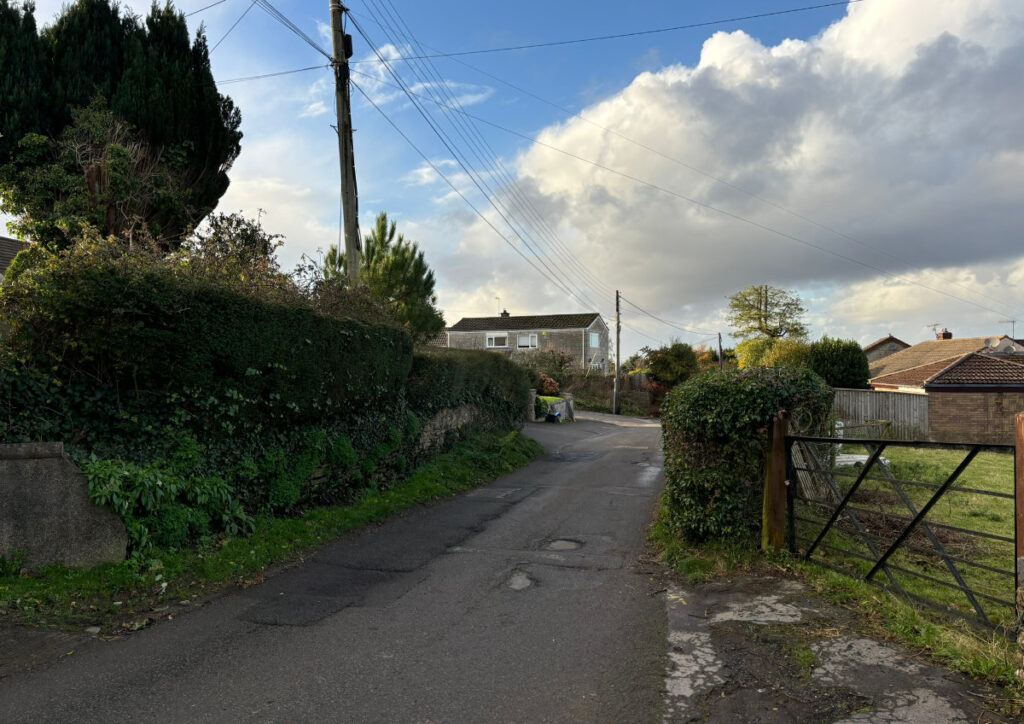
Policy Matters, Especially Neighbourhood Plans
For developers and private clients alike, understanding planning policy is critical.
Local Plans establish the strategic framework, but Neighbourhood Plans often carry significant weight and are frequently referenced by local communities when responding to planning applications. In areas around Bath, these plans can be particularly influential and are often used to challenge proposals that do not clearly comply.
A well-prepared planning application will:
- Identify relevant policies early
- Explain how the proposal complies with them
- Acknowledge where policy tension exists
- Justify the approach taken where discretion is required
Policy engagement should feel deliberate and informed, not like a tick-box exercise added at the end of the process.
Engage Early and Constructively
The Value of Pre-Application Discussions
For new homes and residential development projects, pre-application discussions are almost always worth considering.
They provide an opportunity to:
- Identify planning risks early
- Test development principles before significant time and cost are invested
- Understand likely officer concerns
- Begin a professional dialogue with the planning officer
From a developer perspective, early planning clarity can help:
- Reduce risk
- Support land valuation
- Inform funding and programme decisions
Honesty is important at this stage. Where there is a longer-term planning strategy for a site, openness often helps build trust and avoids misunderstandings later in the process.
Neighbour and Community Engagement
While not appropriate in every situation, early engagement with neighbours or the wider community can be beneficial for new-build homes.
Planning officers tend to respond positively where:
- Neighbours have been made aware of proposals early
- Concerns have been listened to
- Design changes can be clearly explained
Objections are not uncommon, particularly in established residential areas, and they are not necessarily fatal to an application. What matters is whether the proposal addresses material planning considerations and complies with policy.
Planning Is a Conversation, Not a Single Decision
Planning should rarely be viewed as a one-off submission followed by a yes or no outcome.
Most well-prepared schemes evolve through:
- Discussion
- Negotiation
- Refinement
Planning officers will often want to visit the site to better understand levels, relationships and context, and this should be welcomed.
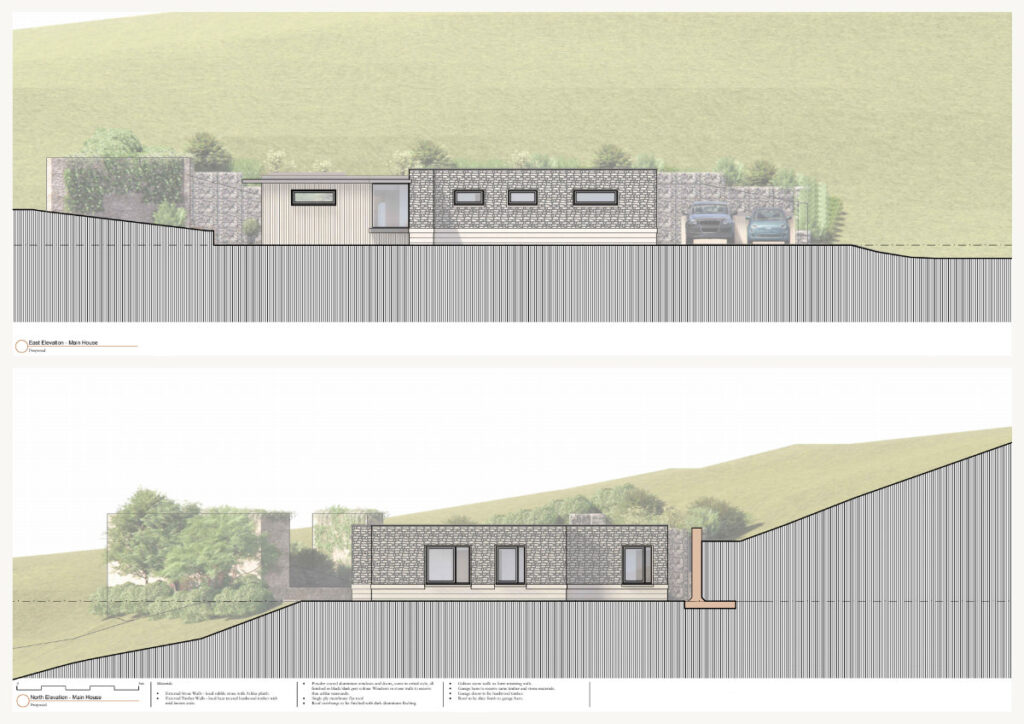
Site visits are particularly valuable on constrained or sloping sites, which are common across Bath and surrounding villages, where drawings alone may not fully communicate the nuances of a proposal.
Case Study: Resolving Overlooking Through Evidence and Dialogue
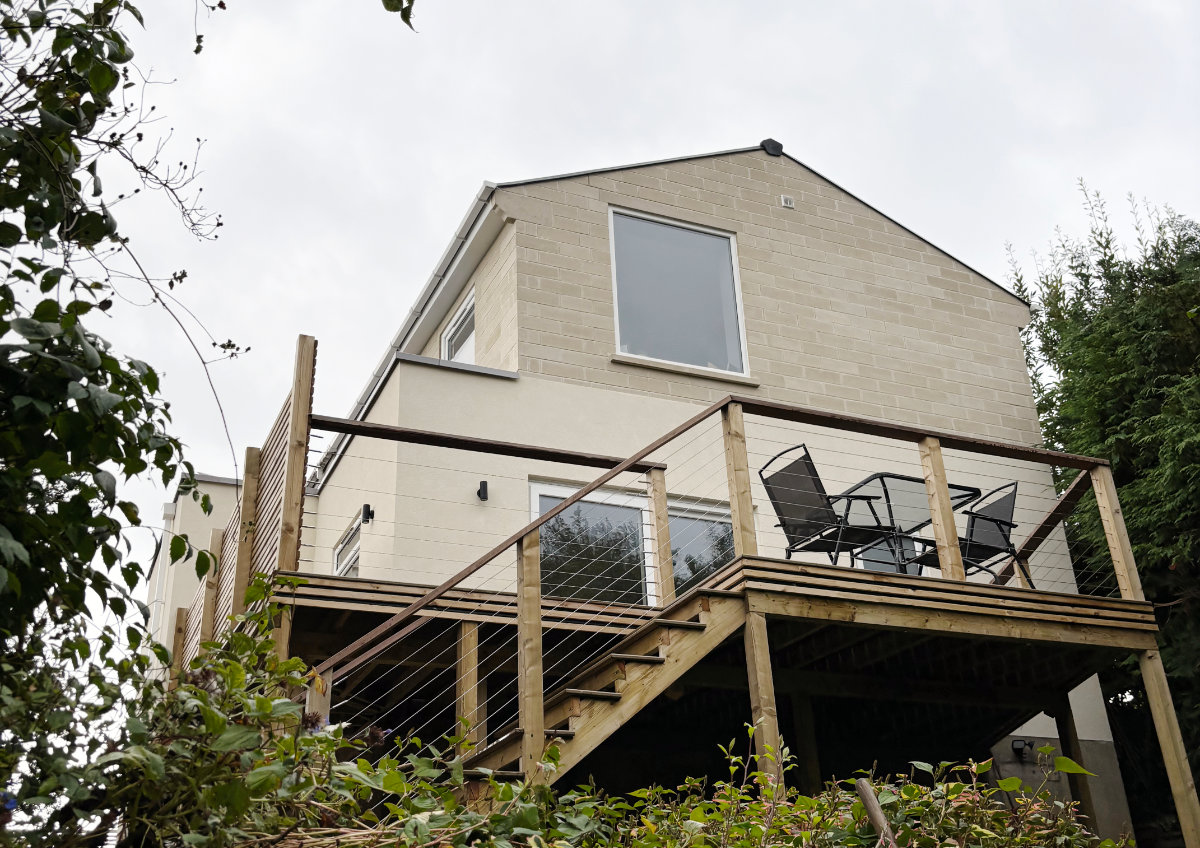
On a recent eco-friendly residential project in Bath, overlooking to the rear was identified as a potential concern. The host property sat at a higher level than the neighbouring dwelling, raising questions about the impact of the proposed works.
Rather than dismissing the concern, we:
- Assessed the issue carefully
- Prepared comparative drawings
- Demonstrated that there was no material increase in overlooking compared with the existing situation
We then met the case officer on site to review the proposal in context and discuss the findings face to face. This site-based discussion proved invaluable, leading to a shared understanding of the issue and planning permission granted without delay.
Developer Takeaway: Anticipate Issues, Do Not Defend Them Later
Planning officers respond well to:
- Clear analysis
- Proportionate information
- Early engagement
- Solutions rather than defensiveness
Identifying potential concerns early is far more effective than reacting once objections have been raised.
Get the Submission Fundamentals Right
Before submitting a planning application, ensure that:
- All required drawings and documents are included
- Registration requirements are met
- Consultant reports are complete and coordinated
- The proposal is presented as a coherent whole
Decision-Making, Timelines and Managing Risk
For both developers and private clients, planning is not just about design quality. It is also about certainty, timing and risk.
Unresolved planning issues can lead to:
- Extended determination periods
- Requests for further information
- Late-stage design changes
- Increased consultant costs
- Knock-on impacts to funding and build programmes
Planning officers are more likely to determine applications efficiently where proposals are clearly justified, properly evidenced and proactively address potential concerns.
Understanding planning constraints early allows informed decisions to be made before significant time and cost are committed.
Use Precedent Carefully
Looking at nearby planning permissions can be useful when assessing what may be acceptable on a site. Recent approvals can provide reassurance that certain development principles are supported.
However, precedent should always be treated with caution. Planning decisions are guided primarily by current policy, not historic approvals.
A successful scheme will:
- Reference precedent where helpful
- Rely on policy compliance
- Provide site-specific justification
What Planning Officers Do Not Want to See
Common pitfalls include:
- Over-reliance on precedent
- Ignoring Neighbourhood Plan policies
- Missing or contradictory consultant reports
- Late design changes with no explanation
- Defensive responses to reasonable concerns
Avoiding these issues often makes as much difference as the quality of the design itself. Understanding what planning officers want to see early in the process can significantly improve the chances of a smooth and timely planning decision.
Why This Matters and the Role of an Architect
For developers and private clients building new homes, successful planning outcomes are rarely accidental.
They come from:
- Understanding policy and risk early
- Responding intelligently to site context
- Coordinating technical inputs
- Communicating proposals clearly
- Engaging constructively with planning officers
An architect role extends well beyond producing drawings. It involves guiding a proposal through the planning system strategically, shaping the design, managing risk and facilitating dialogue at the right moments.
When planning is approached as a collaborative process rather than a hurdle, it often leads to better-designed, more robust and more deliverable residential schemes.

Next Steps
If you are considering a new home or residential development and want to understand how planning considerations may affect your site, early architectural advice can make a significant difference.
At TEA Architects, we help developers and private clients across Bath and the South West assess planning risk, shape proposals strategically and navigate the planning process with clarity and confidence.
If you would like to discuss a site or project at an early stage, we are always happy to have an initial conversation.