Why Planning Feels Risky – and Where Most Projects Go Wrong
Planning is often seen as the single biggest risk in any development project. Whether you are a homeowner extending your property or a developer looking to unlock value from a site, the uncertainty around planning consent can feel daunting. Will the council support the proposal? What reports will be required? Are there hidden constraints that could derail the scheme later? In this blog post – ‘Early Design Input to De-Risk Planning’ we will explore this in detail.
In our experience, many of these risks can be significantly reduced or avoided through early design input. Engaging an architect at the right moment allows planning strategy, design thinking, and consultant input to develop together rather than in isolation. This early-stage work does not need to be expensive or over-detailed, but it can make a significant difference to the success of a project.
Who This Approach Is For
Early design input is particularly valuable for:
- Homeowners planning extensions, replacements, or new homes
- Small developers assessing site potential before purchase
- Landowners exploring development value
- Anyone concerned about planning risk, cost certainty, or delays
If you are trying to understand what might be achievable before committing significant time or money, early architectural input can provide clarity and confidence.
Why Early Design Input to De-Risk Planning Matters
Planning risk is not just about whether an application is approved or refused. It also includes:
- Spending money on a design that is fundamentally unacceptable in planning terms
- Discovering late in the process that additional reports or consultants are required
- Underestimating constraints such as ecology, flood risk, highways, or fire strategy
- Designing a scheme that works on paper but struggles to gain officer or public support
- Delays caused by incomplete or poorly coordinated planning submissions
Early design input is about identifying and addressing these risks sooner, when change is still straightforward and relatively inexpensive.
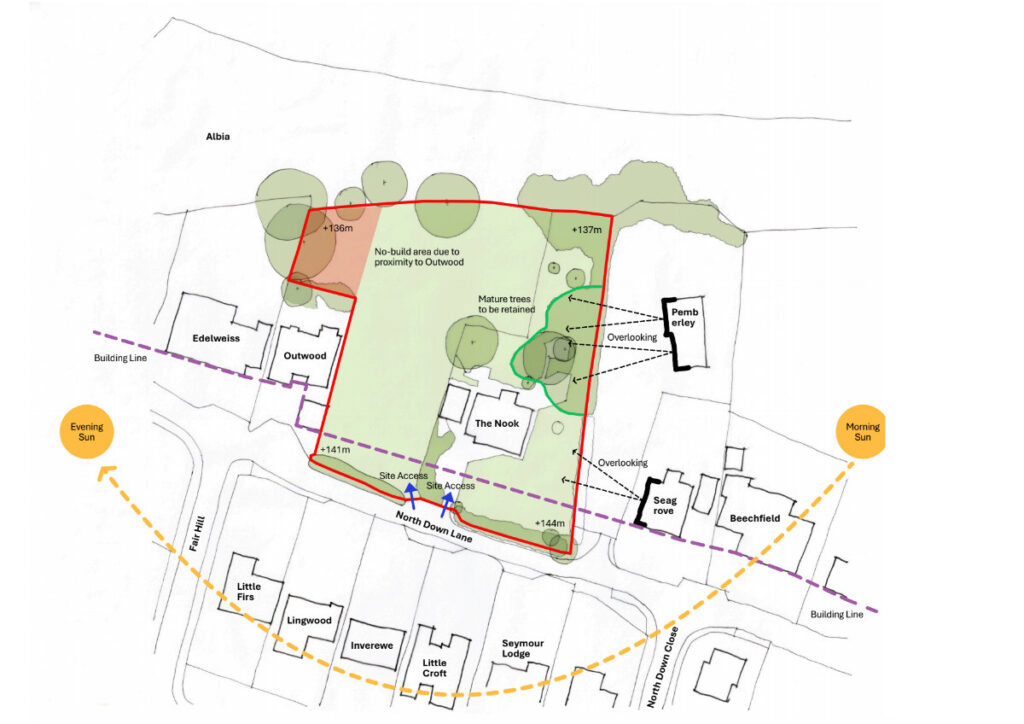
Pre-Application Advice: Starting the Conversation Early
Most local planning authorities in England offer a pre-application advice service, allowing applicants to seek informal feedback before submitting a full planning application. While the scope, cost, and timescales vary between councils, pre-application advice is a valuable tool when used correctly.
What Is Pre-Application Advice?
A typical pre-application submission may include:
- A description of the proposal
- Site context and constraints
- Initial sketch layouts or massing studies
- Clear questions for the planning officer
The planning authority then provides written feedback, often with input from highways, conservation, ecology, or other internal consultees.
The Value of Early Design at Pre-App Stage
This is where early architectural input becomes critical. Rather than submitting vague or aspirational ideas, an architect can prepare a focused feasibility study that:
- Responds to planning policy from the outset
- Reflects site constraints and access considerations
- Demonstrates a clear design rationale
- Asks the right planning questions
This allows the pre-application discussion to start on solid ground.
Just as importantly, pre-application advice allows you to begin a conversation with a planning case officer. Planning is a human process as much as a technical one. When an officer understands the concept, the thinking behind it, and the willingness to engage constructively, they are far more likely to support the scheme as it evolves.
Planning Strategy: Knowing What Is Required and When
Architects are trained not only in design, but in navigating the planning process as a whole. Early involvement allows an architect to advise on:
- What a planning submission is likely to require
- Which consultants will be needed
- When those consultants should be appointed
- How their input affects the design
Avoiding Late Surprises
A common issue on many projects is discovering late in the process that additional reports are required, often after design work has progressed significantly.
On a recent TEA Architects enquiry involving a four-storey apartment building, we identified early on that a fire strategy consultant would be required to inform escape routes and access arrangements. Flagging this at the outset allowed the client to understand both the design implications and the consultant costs before progressing too far.
This kind of early advice helps avoid redesign, delay, and unexpected fees later.
When to Bring in a Planning Consultant
Not every project requires a specialist planning consultant from day one. For many small to medium schemes, an experienced architect is well placed to navigate the planning process directly.
However, part of good early design input is knowing when additional expertise is needed. Architects are often best placed to advise when a planning consultant should be appointed, particularly on complex sites or where planning history and policy interpretation are critical.
How to Use Early Design Input to De-Risk Planning
Early design does not mean fully detailed drawings. At the early stages, flexibility is one of the greatest strengths.
It Is Not Just About 2D Drawings
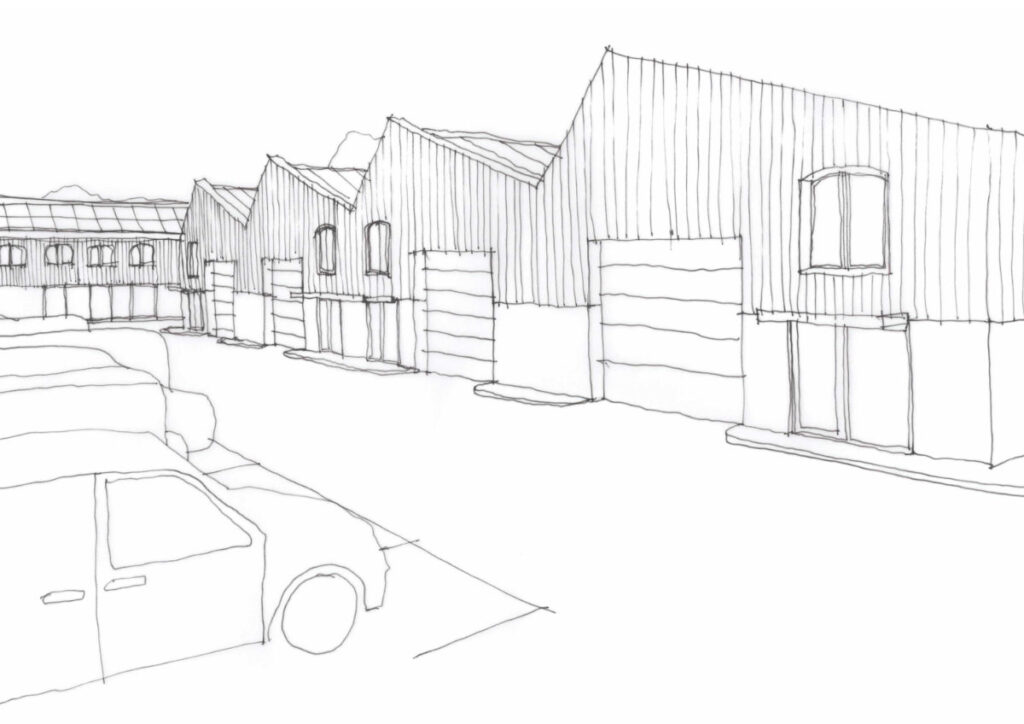
Early design input can include:
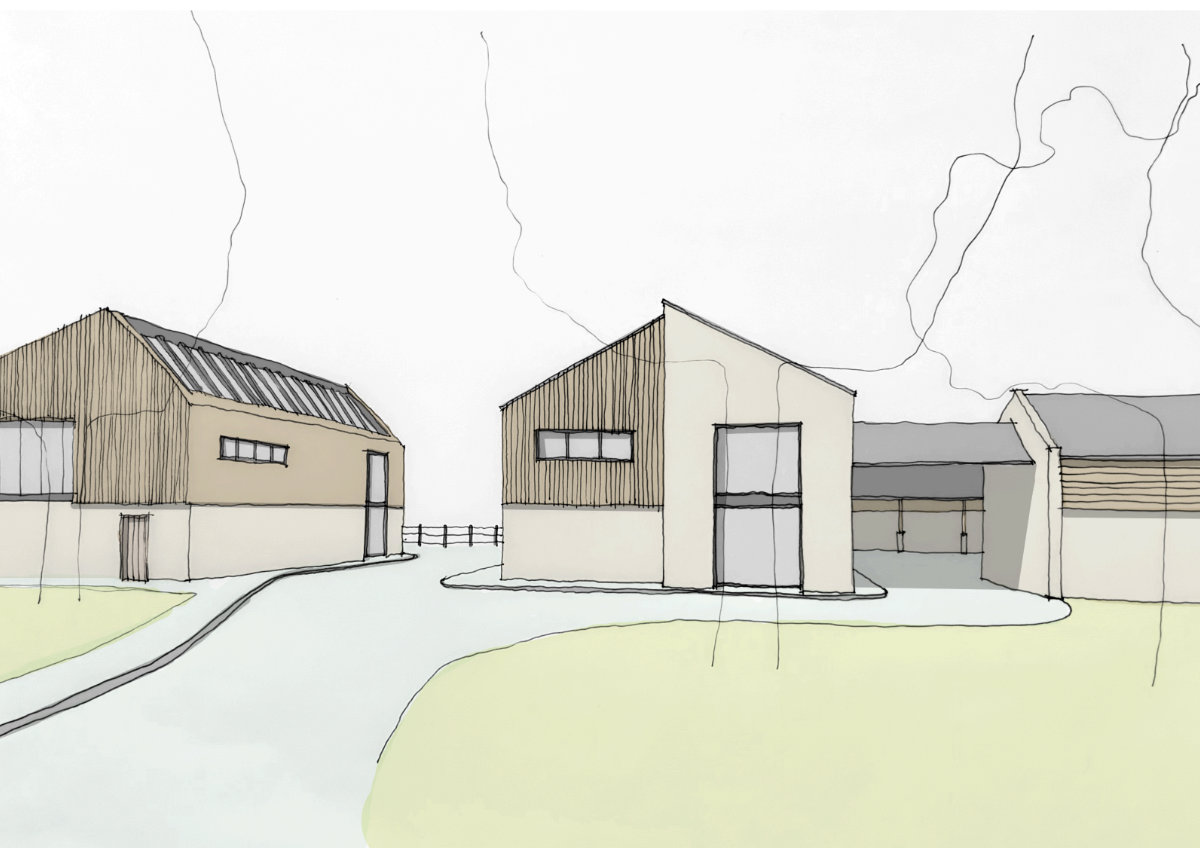
- Simple 2D sketch layouts
- Site capacity and density studies
- Massing diagrams
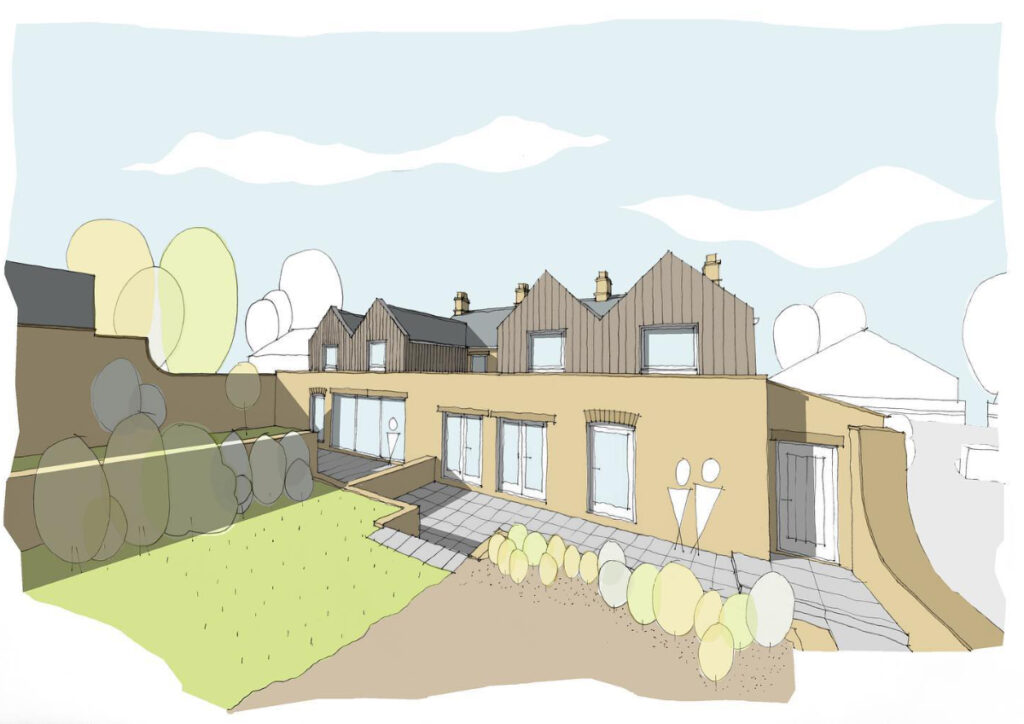
- 3D models to explore scale and context
These tools allow broad ideas to be tested quickly, without committing to a single solution too early. In many cases, a simple sketch or model is enough to unlock meaningful feedback from planners and consultants.
Identifying Constraints and Potential Show Stoppers
Early design work is one of the most effective ways to identify potential problems while there is still time to respond to them.
These might include:
- High levels of retaining or complex ground conditions
- Tanking requirements
- Fire strategy implications
- Flood risk and drainage constraints
- Access and highways limitations
By identifying these issues early, design and strategy can be adjusted before significant time and cost are invested.
A Practical Example: Early Input Avoiding Unnecessary Cost
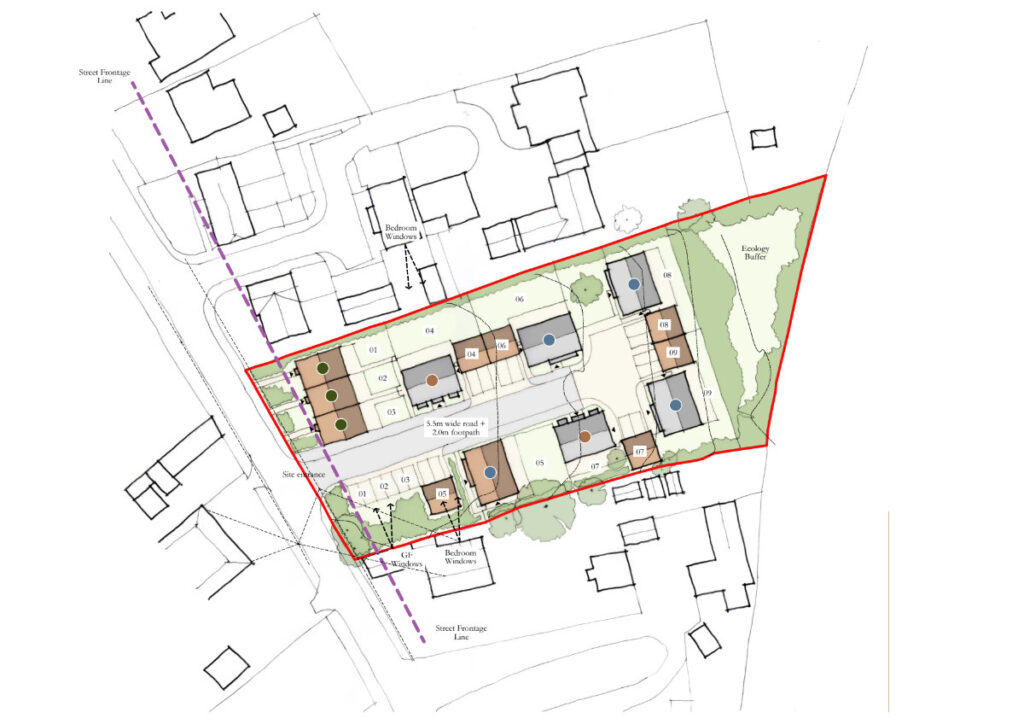
We recently reviewed a potential housing development site in Somerset and prepared a simple site layout for the client. The layout was then shared with a highways and transport consultant, as the site was accessed from a narrow rural lane.
Based on the sketch scheme, the consultant advised that the lane was unlikely to be suitable to support the proposed level of development. As a result, the scheme would be unlikely to receive support from the local authority.
While this meant the site was not pursued further, the early design and consultant input avoided substantial costs that would otherwise have been incurred progressing a scheme that was fundamentally constrained. This example highlights how even a relatively modest investment in early-stage design can have clear and positive outcomes.
Biodiversity Net Gain (BNG): Seeing the Bigger Picture Early
Biodiversity Net Gain is now a significant factor for many new developments. Understanding its implications early is essential.
A sketch site layout allows an ecologist or landscape architect to provide high-level advice on:
- Likely on-site BNG requirements
- Opportunities for habitat creation
- Whether off-site contributions may be necessary
- How landscape strategy interacts with layout and density
Without an initial layout, this advice is often speculative. With one, it becomes targeted and useful.
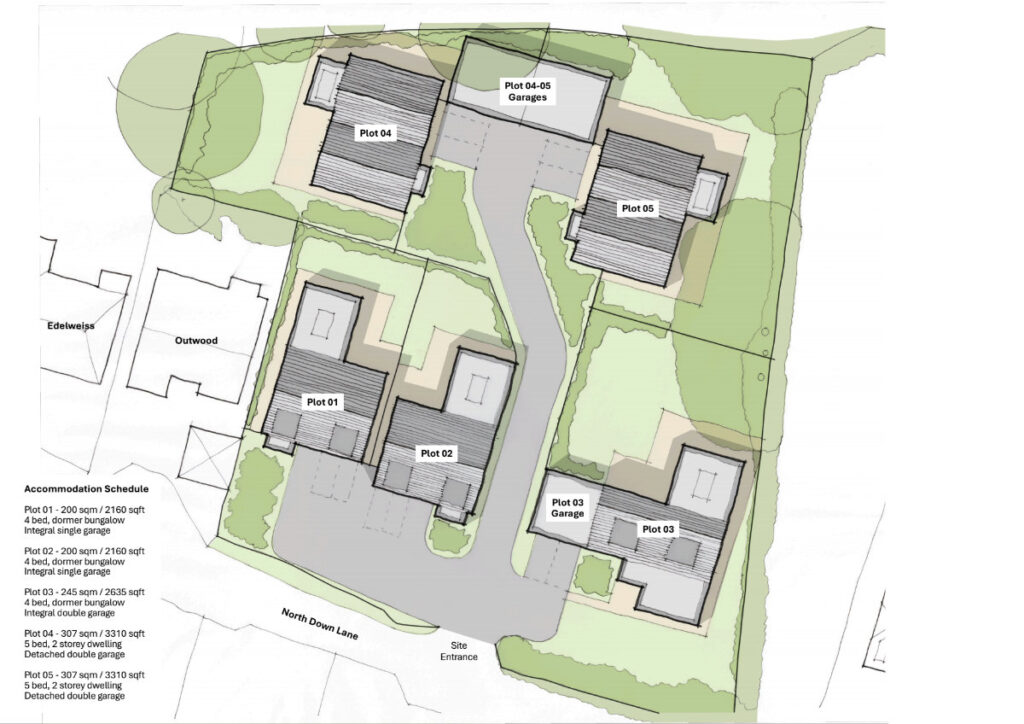
Consultant Coordination: Giving Others Something to Respond To
Consultants can only advise effectively when they understand what you are trying to achieve. Early design input provides that context.
A simple sketch or layout helps to:
- Define consultant scopes of work
- Provide clearer fee proposals
- Identify constraints early
- Reduce rework later
This applies equally to structural engineers, highways consultants, ecologists, fire engineers, and others involved in the planning process.
What Happens When Early Design Input to De-Risk Planning Is Missed?
Where early design input is skipped, we often see projects where:
- Planning submissions require significant reworking
- Additional reports are requested late in the process
- Costs escalate unexpectedly
- Timescales extend unnecessarily
These issues are rarely unavoidable. In most cases, they are the result of decisions being made too late rather than too early.
Good Design, Common Sense, and Early Engagement
At its core, early design input is about applying good design principles and common sense.
In addition to pre-application advice, some local authorities offer Planning Performance Agreements (PPAs), providing a more structured framework for engagement. Early architectural involvement helps assess whether a PPA is appropriate and how it might support the project.
At TEA Architects, we also use a suite of approved house types that meet minimum space standards and are optimised for current Building Regulations. This allows us to quickly test site layouts, density, and arrangement in a realistic and credible way.
These early studies are not about final solutions. They are about understanding what is likely to work.
Funding, Value, and Cost Certainty
Early design input plays an important role in understanding value and viability.
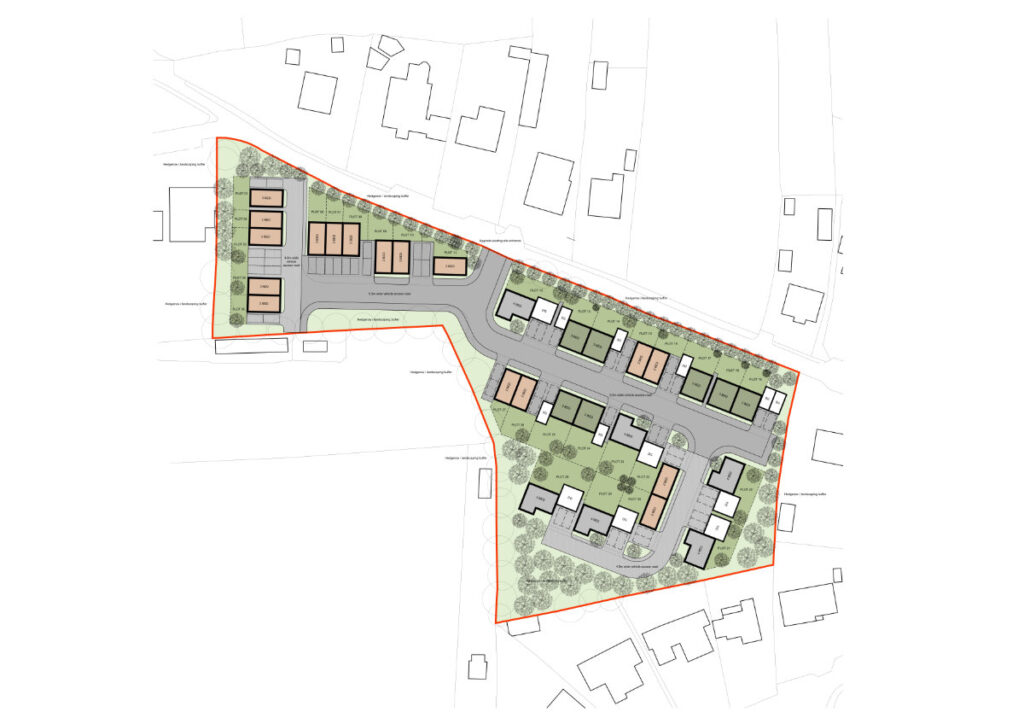
Pre-Feasibility Studies
Architects can be engaged before a site is acquired to assist with feasibility and planning strategy. These studies explore:
- Development capacity
- Likely planning constraints
- Broad cost implications
- Potential end value
This information is invaluable when assessing whether a site is worth pursuing.
Supporting Early Funding Discussions
While funders typically require detailed information, early-stage conversations are often exploratory. Having a clear concept and sketch layout can be extremely helpful in demonstrating that planning risk is being actively managed.
Early Design as Risk Management
Early design input should be seen as a form of planning risk management. It does not eliminate uncertainty entirely, but it replaces guesswork with informed decision-making.
It supports:
- Better planning strategy
- Earlier identification of constraints
- Clearer consultant coordination
- More confident funding and cost discussions
- Stronger engagement with planning officers and stakeholders
Conclusion: Investing Early to Save Later
Engaging an architect early is not about producing large amounts of detailed information. It is about thinking clearly at the right moment.
Early design input helps de-risk planning by aligning design, policy, and strategy from the outset. It allows informed conversations with planners, consultants, funders, and communities and avoids many of the issues that cause delay and unnecessary cost later on.
Call to Action
Considering a site or an early-stage project? Or want to explore more about how to use Early Design Input to De-Risk Planning?
Early architectural input can provide clarity long before significant costs are committed. If you are assessing a site, preparing for pre-application advice, or simply want to understand what might be achievable, early design input can help de-risk the planning process.
TEA Architects regularly support homeowners, landowners, and small developers with feasibility studies and early design strategy across the South West.
If you would like an initial conversation, please get in touch to discuss your project.