Consultant Spotlight: Inuti Interiors
High-end residential projects demand a level of coordination and attention to detail that goes beyond individual disciplines working in isolation. In this interior designer interview, we explore how architecture, interior design and construction can work together to shape homes that function well, feel considered and perform over time.
Interior design is often one of the most underestimated parts of a project, yet it has a significant impact on how a home functions, feels and ultimately stands the test of time. One of the interior design studios we regularly collaborate with is Inuti Interiors, founded by Gemma Machon and Michelle Stirling.
In this interior designer interview, we explore how Inuti Interiors work alongside architects, when their involvement adds the most value, and how their practical, considered approach helps clients achieve better outcomes with less stress during design and construction.
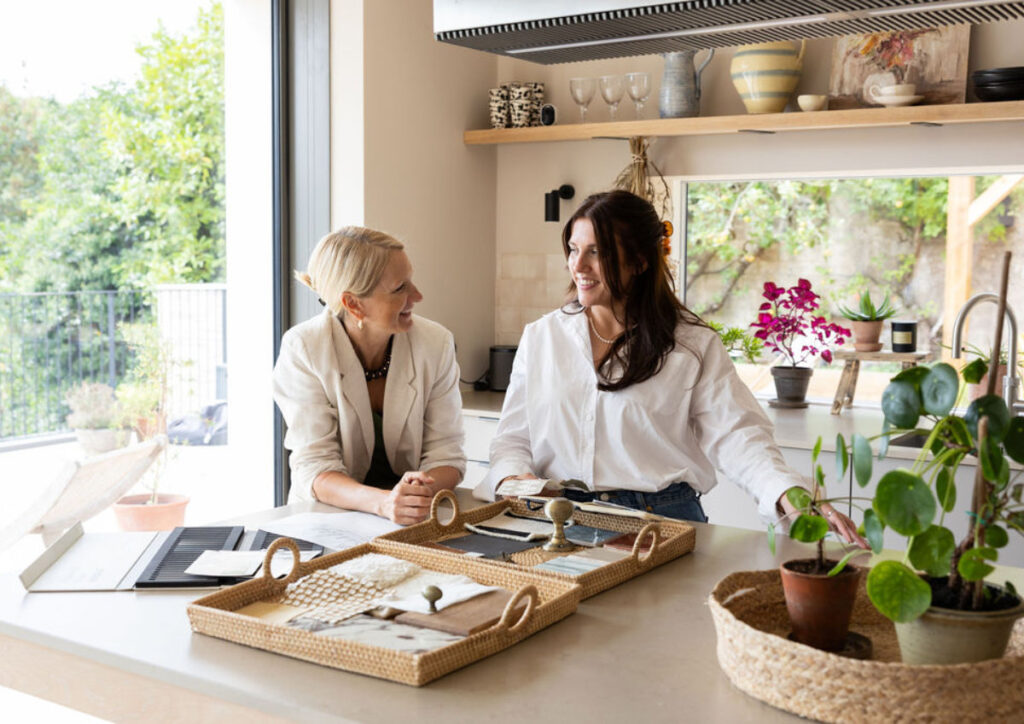
Inuti Interiors was founded as a partnership, with clearly defined but complementary roles. Gemma leads on the creative and interior architecture side of the business, while Michelle focuses on project management, logistics and delivery.
This structure allows creativity and technical rigour to sit side by side. Design ideas are developed with a clear understanding of how they will be delivered on site, while programme, budget and risk are managed alongside the design process rather than treated as an afterthought.
While Inuti is primarily a residential interior design studio, they also offer standalone project management services. This is particularly valuable on complex refurbishments, where clients need experienced support coordinating contractors, consultants and procurement through to completion.
The name Inuti comes from the Swedish word for “inside”, reflecting the studio’s ethos of designing interiors from the inside out. Their work is shaped around how people live in their homes day to day, rather than chasing trends or producing spaces that look impressive but feel impractical.
Who They Work With and What Sets Them Apart
Inuti Interiors works across a wide range of residential projects, from single-room refurbishments through to full house renovations and new builds. They are equally comfortable working on modest, highly personal projects as they are on large, complex homes.
What sets their approach apart is their strong commercial design and build background. Both Gemma and Michelle previously worked in large-scale commercial environments, delivering technically complex projects under tight programmes.
That experience brings a level of build awareness, organisation and critical thinking that is often missing in purely residential interior design. Rather than producing ideas that look good on paper but are difficult or expensive to deliver, their designs are shaped by construction reality, health and safety considerations and long-term usability.
This practical mindset helps avoid common issues on site and supports clearer communication with contractors, engineers and architects throughout the project.
Interior Designer Interview: Working with Architects on Residential Projects
Collaboration with architects is central to how Inuti Interiors operates. They strongly advocate for being appointed as early as possible in a residential project, allowing architects and interior designers to work collaboratively from the outset.
“The earlier we can be involved, the less stress there is on everybody. It’s about making sure decisions are made at the right time, not firefighting later on site.”
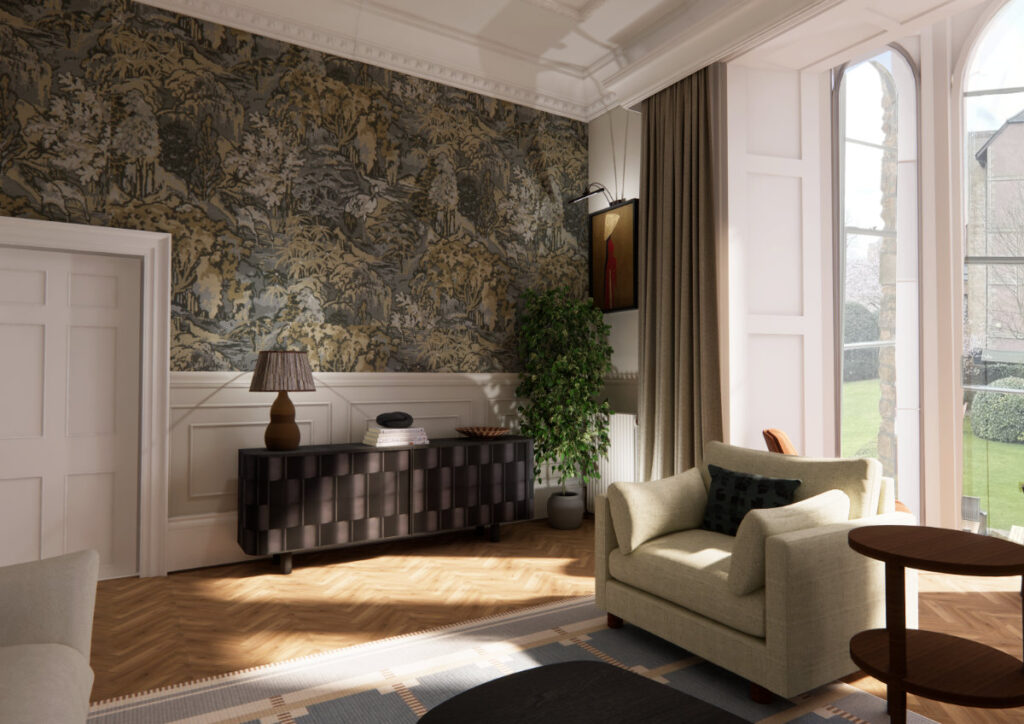
Early involvement means interior layouts, furniture planning, lighting strategies and services coordination can be properly integrated into the architectural design. Small decisions made early, such as room proportions, wall positions or joinery layouts, can have a significant impact on how a space functions once built.
Why Early Collaboration Matters in an Interior Designer Interview
- Better room proportions and more considered layouts
- Coordinated decisions around lighting, services and joinery
- Fewer late-stage changes during construction
- Clearer pricing and improved cost control
- Reduced risk and a smoother build process
From our experience at TEA Architects, projects that include interior designers early tend to be better resolved, more enjoyable to deliver and ultimately more successful places to live.
What Clients Can Expect When Working with an Interior Designer
Inuti Interiors works broadly in line with the RIBA stages, taking projects from early concept through to completion. Their process is structured, but flexible enough to respond to the realities of residential projects and the needs of individual clients.
Typical Services Provided
- Concept design and spatial planning
- Detailed 2D drawings and joinery information
- 3D visuals and CGIs where helpful
- Furniture, lighting and finishes schedules
- Procurement support and trade purchasing options
- On-site coordination and project management support
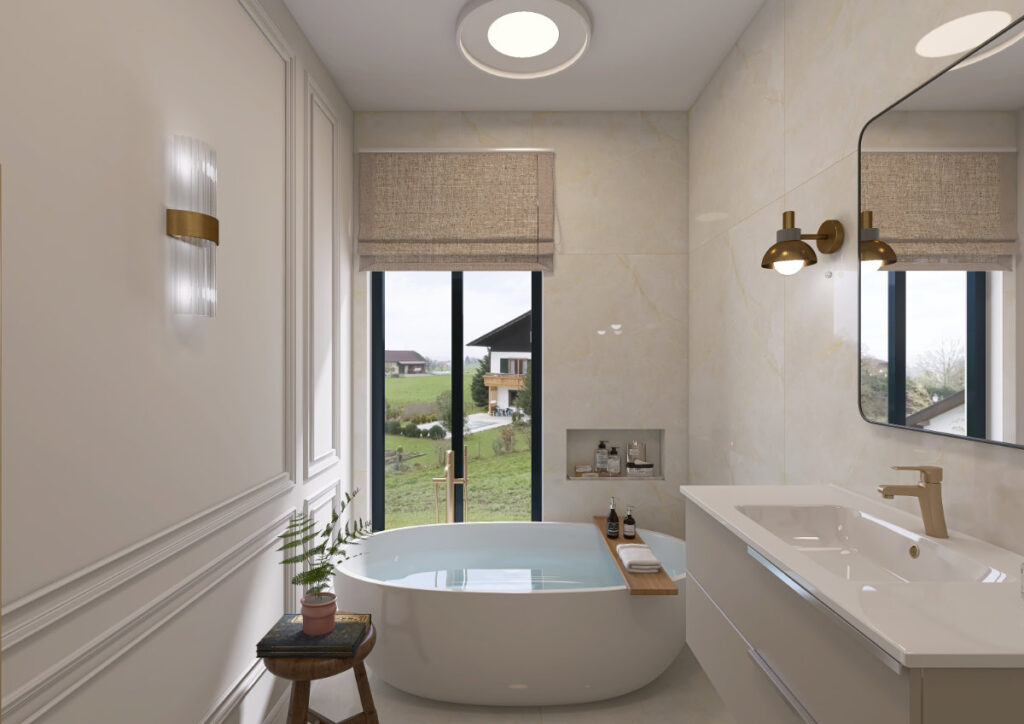
Crucially, they do not work to a house style. Each project is designed around the client’s lifestyle, personality and priorities. Some clients favour calm, pared-back interiors, while others want bold, expressive spaces full of colour and character. Inuti’s role is to interpret those preferences into spaces that work technically and feel personal, rather than imposing a signature look.

How Inuti Interiors Reduce Risk and Add Value
One of the key benefits Inuti Interiors brings to clients is risk reduction. Residential projects often involve multiple contractors, suppliers and consultants, which can quickly become overwhelming without clear coordination.
Through detailed drawings, early decision-making and, where required, active project management, Inuti helps avoid many of the issues that typically arise during construction. Michelle’s role often involves tendering contractors, reviewing quotations on a like-for-like basis and helping clients understand where costs genuinely sit.
Reducing Risk Through Early Coordination
- Identifying risks early in the design process
- Avoiding assumptions during contractor pricing
- Reducing the likelihood of costly variations
- Supporting clearer communication on site
- Taking pressure off clients during construction
This level of scrutiny saves time, prevents misunderstandings and helps projects progress more smoothly from design through to completion.
Common Misconceptions About Interior Design
A common misconception is that interior design is largely about finishes, furnishings and styling. In reality, those visible elements represent only a small part of the process.
This interior designer interview highlights why technical coordination and early decision-making are just as important as visual outcomes.
“Interior design isn’t just about finishes and styling. If the space doesn’t work functionally, you notice it every single day.”
Much of the value lies in technical coordination, detailed construction information, anticipating problems before they arise and ensuring decisions are made in the right order. These elements are often unnoticed when they work well, but their absence is quickly felt when things go wrong on site.
Clients may not immediately see the importance of detailed drawings or early coordination, but these are often the aspects that prevent delays, cost overruns and frustration during construction.
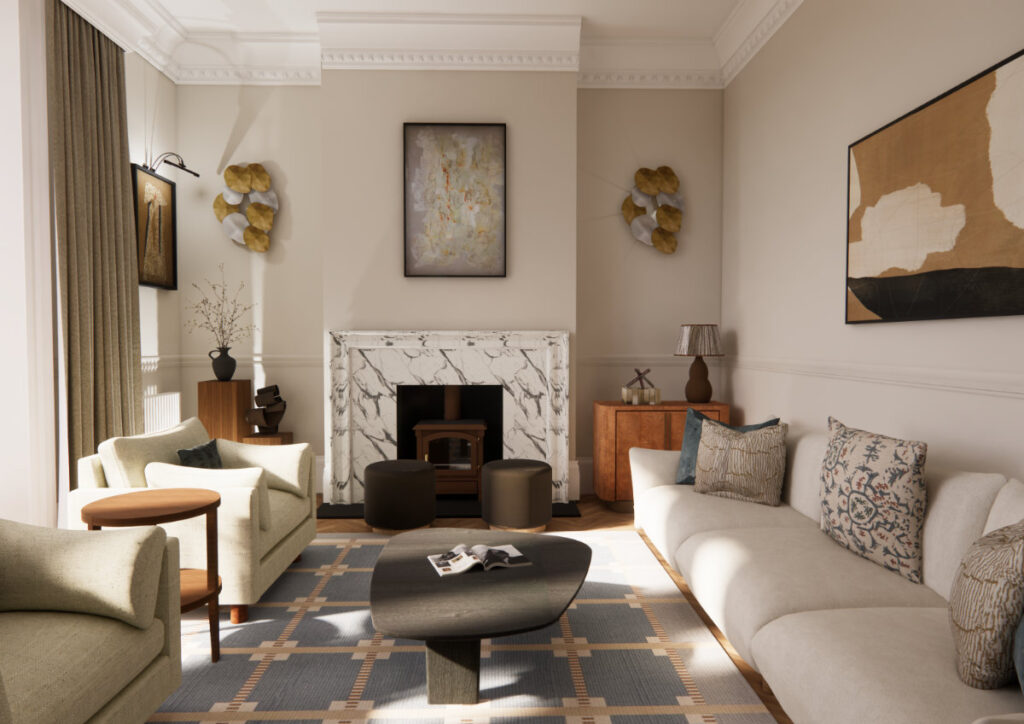
Sustainable Interior Design, Longevity and Wellbeing
Rather than focusing on trends or superficial green credentials, Inuti Interiors approaches sustainability through longevity and thoughtful specification.
“We’re not interested in designing things that need replacing in a year. Longevity is one of the most sustainable decisions you can make.”
This includes choosing materials and products that are durable, designing spaces that can adapt over time, avoiding fast-fashion interiors that date quickly, and encouraging reuse, antiques and second-hand pieces where appropriate.
They also place strong emphasis on wellbeing. Natural light, low-VOC materials, acoustic comfort and the emotional feel of a space all play a role in how a home supports the people living in it. Interior design, when done well, contributes directly to comfort, health and quality of life.
The Future of Residential Interior Design
Looking to the future, Gemma and Michelle would like to see sustainability become more embedded in residential interiors, rather than treated as an optional extra. While technology and AI tools may support certain aspects of design, they believe the human element will remain irreplaceable.
“We’re designing homes for people to actually live in, not spaces that feel too precious to touch.”
Understanding people, relationships and how homes are used day to day is something that cannot be automated. Interior design will continue to be about balancing creativity with practicality, and emotion with technical knowledge.
Advice for Clients Starting a Home Renovation or New Build
Their advice to anyone starting a project is simple: build the right team early and trust the process.
Projects are smoother, more cost-effective and far more enjoyable when decisions are made collaboratively and at the right time, with clear roles, honest communication and shared objectives.
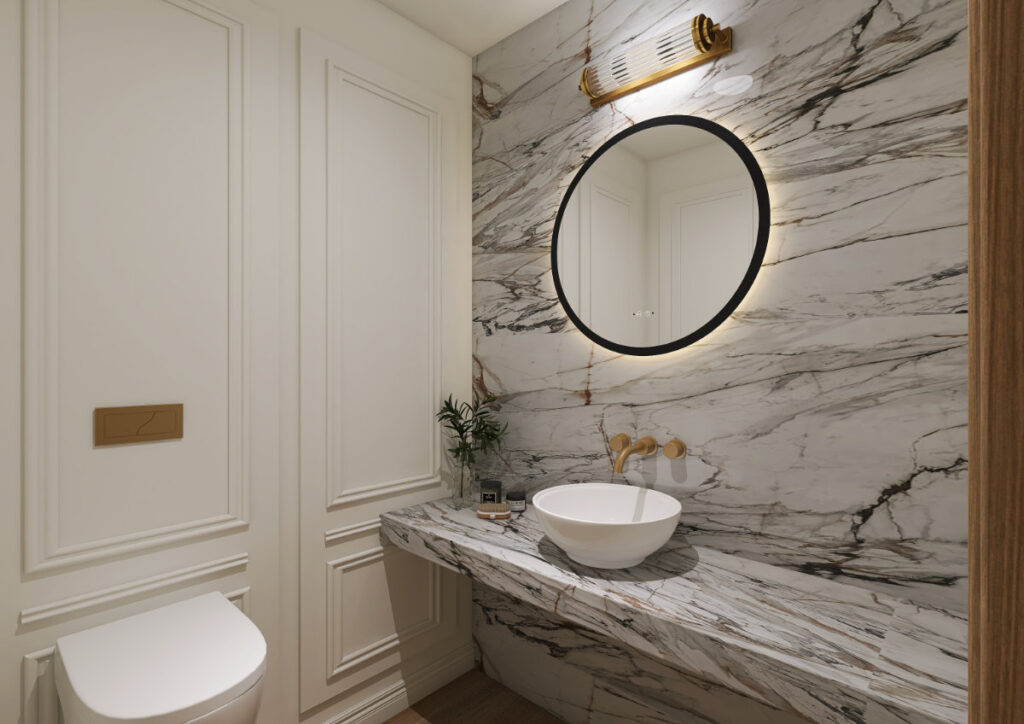
As this interior designer interview shows, successful residential projects rely on early collaboration and clear communication between the full design team.
Next Steps
If you’re planning a home renovation, extension or new build and are considering involving an interior designer, early collaboration can make a significant difference to the outcome.
At TEA Architects, we regularly work alongside trusted interior designers such as Inuti Interiors to help clients achieve homes that are well considered, practical and enjoyable to live in. Bringing the right team together from the outset allows design decisions to be coordinated, risks reduced and budgets better controlled.
If you’d like to discuss your project or explore how an architect and interior designer can work together to support your plans, get in touch with TEA Architects to arrange an initial conversation.