Planning Permission Secured – What Happens Next?
One of the most common questions we receive at TEA Architects is what happens after planning permission is granted. Many homeowners, self-builders and developers assume construction can begin immediately, but there are usually several important stages to complete before work starts on site.
Over the past few weeks, we’ve secured planning approval on two very different projects.
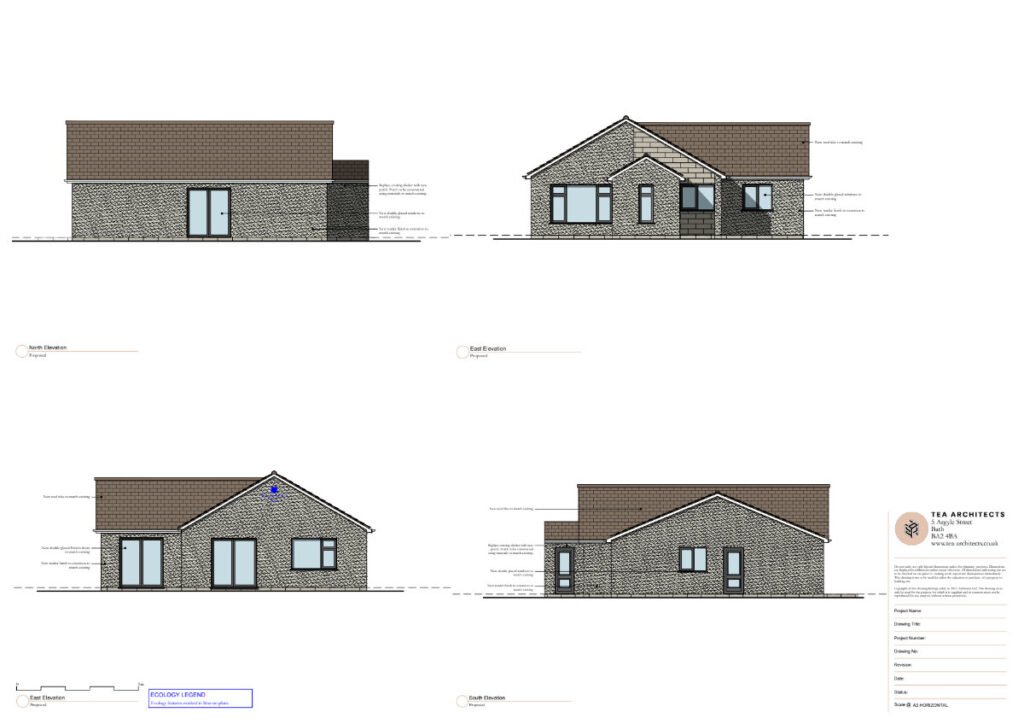
The first is a single-storey side extension to an existing bungalow in Frome. The extension replaces a former garage and provides a new bathroom, utility room and dining area with improved connections to the garden. Construction costs are likely to be in the region of £60,000–£80,000.
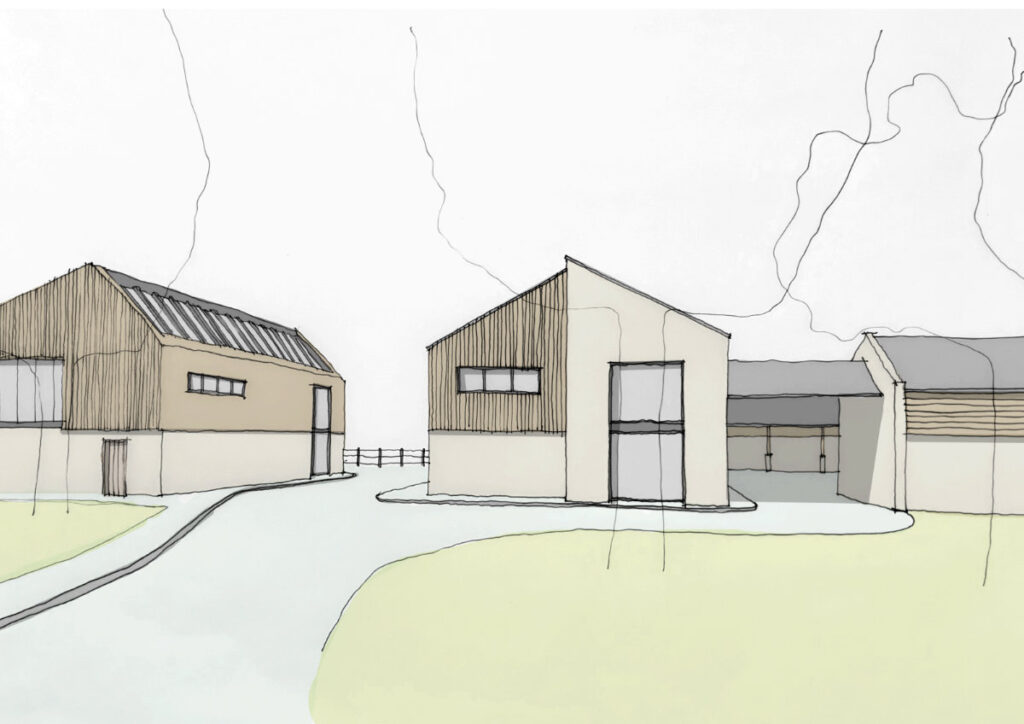
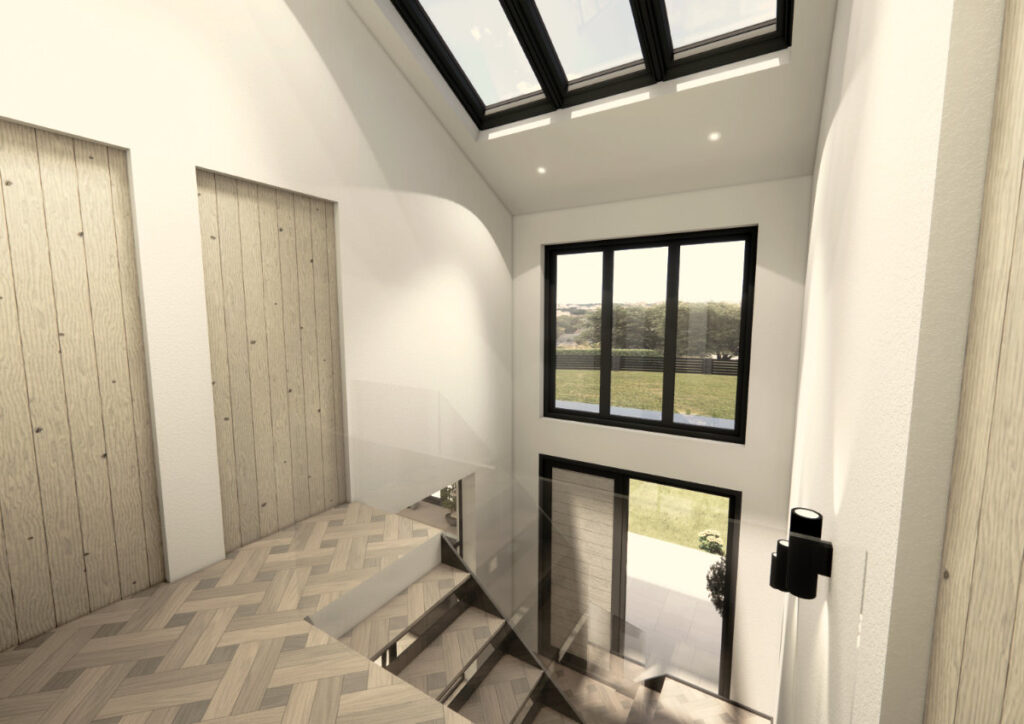
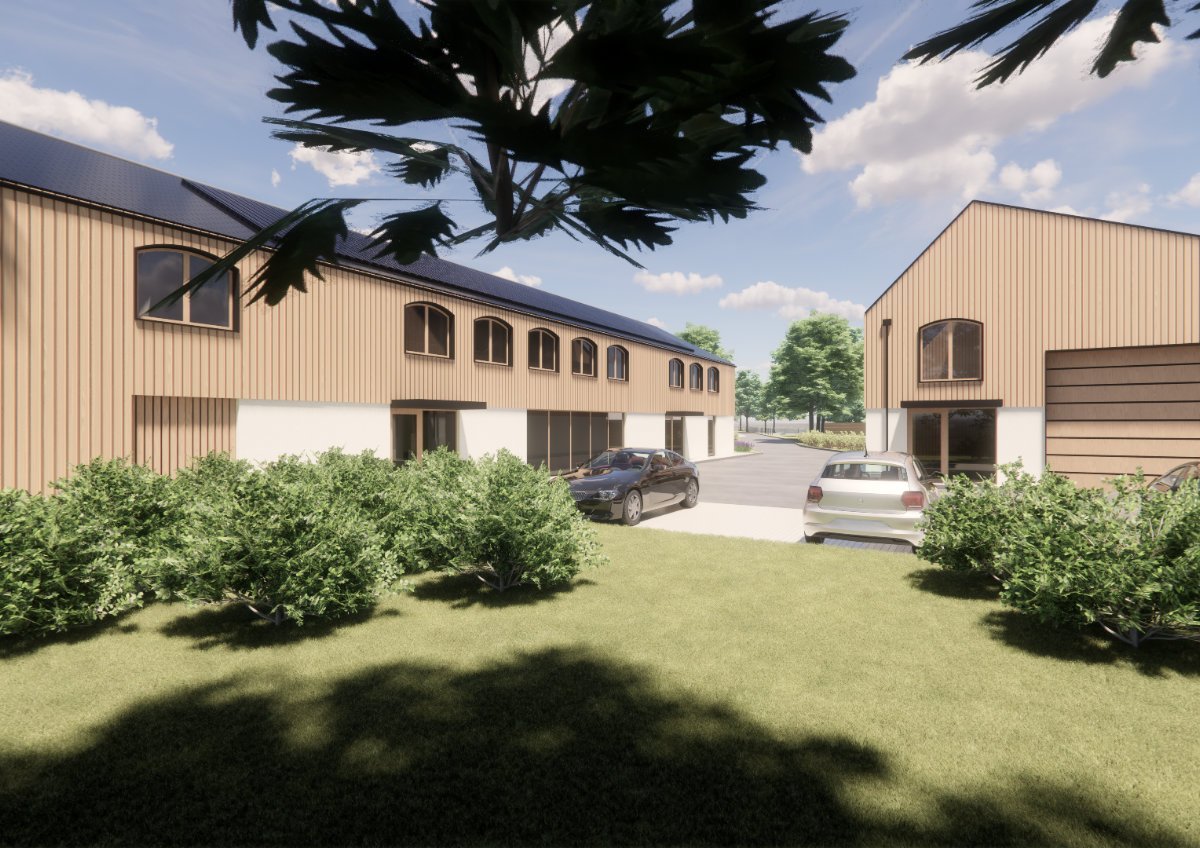
The second is a commercial development in Wiltshire for a private estate. The project provides a new estate office, workshop, storage facilities and stables, alongside four flexible commercial units for rental income. Following approximately 18 months of design development, consultation and planning negotiations, the scheme was approved by the planning committee. Construction costs are expected to exceed £1 million.
Whilst these projects are at opposite ends of the scale spectrum, they now enter a remarkably similar journey.
Whether you’re planning a house extension in Bath, a self-build project in Somerset or a commercial development in Wiltshire, the process following planning permission is often more involved than many people expect.
In this article, we explain what happens after planning permission is granted and how TEA Architects supports clients through the next stages of their project.
Planning Conditions After Planning Permission Is Granted
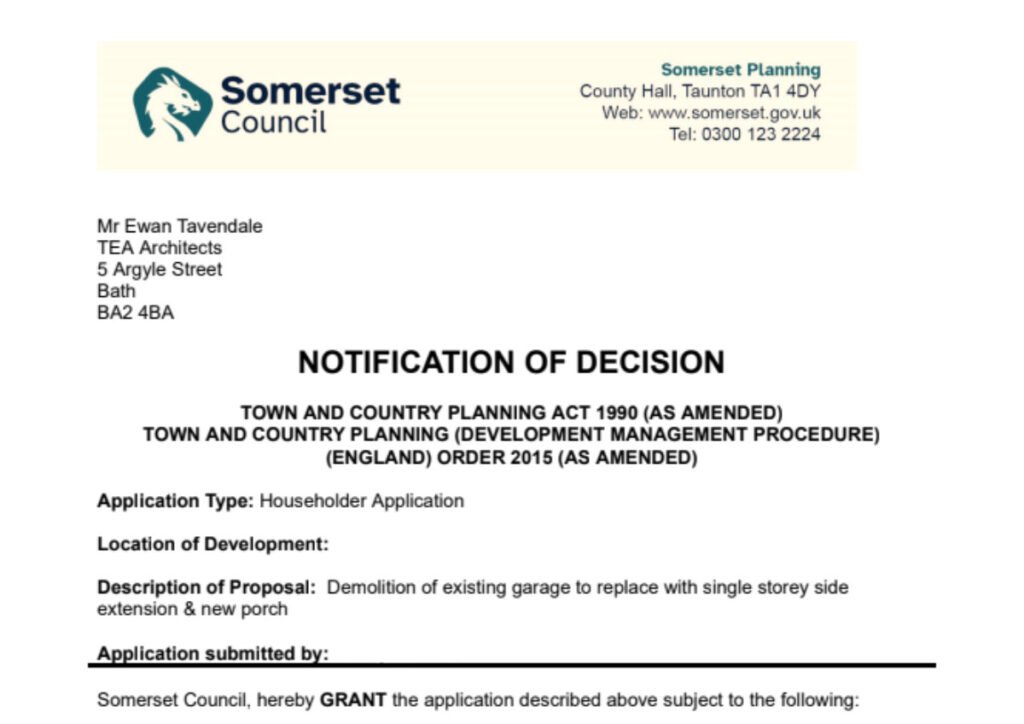
The first thing to do after receiving a planning approval is carefully review the planning decision notice and any conditions attached to it.
Planning conditions are requirements imposed by the local authority to ensure the development proceeds in an acceptable manner.
These generally fall into two categories.
Informative Conditions
Informative conditions are advisory notes intended to draw attention to particular requirements, legislation or best practice.
These do not usually require any formal submissions to the local authority.
For example, our bungalow extension project in Frome was approved with four informative conditions. Whilst the requirements must still be complied with during construction, no further applications or approvals are required.
Conditions Requiring Further Approval
Many planning permissions contain conditions that require additional information to be submitted and approved by the local authority.
These are often triggered at specific stages of the construction process, including:
- Pre-commencement (before work starts)
- During construction
- Pre-occupation (before the building can be used)
Examples commonly include:
- Materials approval
- Landscaping schemes
- Drainage details
- Ecological mitigation measures
- External lighting proposals
- Boundary treatments
The process of obtaining approval for these details is commonly known as discharging planning conditions.
For larger developments, this can become a substantial piece of work in its own right.
Our recently approved commercial scheme in Wiltshire contains 25 planning conditions, with approximately two-thirds requiring additional information to be submitted and approved before certain stages of development can proceed.
Can Planning Permission Be Challenged After Approval?
Occasionally, clients ask whether objectors can continue to oppose a development after planning permission has been granted.
In most cases, once planning permission has been issued, the decision stands and the project can move forward.
However, there is a legal process known as Judicial Review, through which a third party can ask the courts to examine whether the local authority followed the correct legal procedures when making its decision.
Importantly, a Judicial Review is not simply a second opportunity to object to a development. The court is not reconsidering whether the proposal is a good idea or whether permission should have been granted. Instead, it is reviewing whether the decision-making process was lawful.
Whilst Judicial Reviews can create uncertainty on some larger or more controversial projects, they are relatively uncommon and successful challenges are rarer still.
For this reason, many developers will wait until the challenge period has expired before committing significant expenditure.
Sometimes the Project Stops Here
Not every project progresses immediately into technical design and construction.
In some cases, securing planning permission is the primary objective.
For example:
- Landowners may obtain planning permission before selling a site.
- Developers may sell projects on to other parties.
- Another architectural team may take over the detailed design stages.
- Funding constraints may delay construction.
- Personal circumstances or changing priorities may pause a project.
Planning permission often creates options and flexibility, even if construction does not immediately follow.
How Long After Planning Permission Is Granted Can Building Work Start?
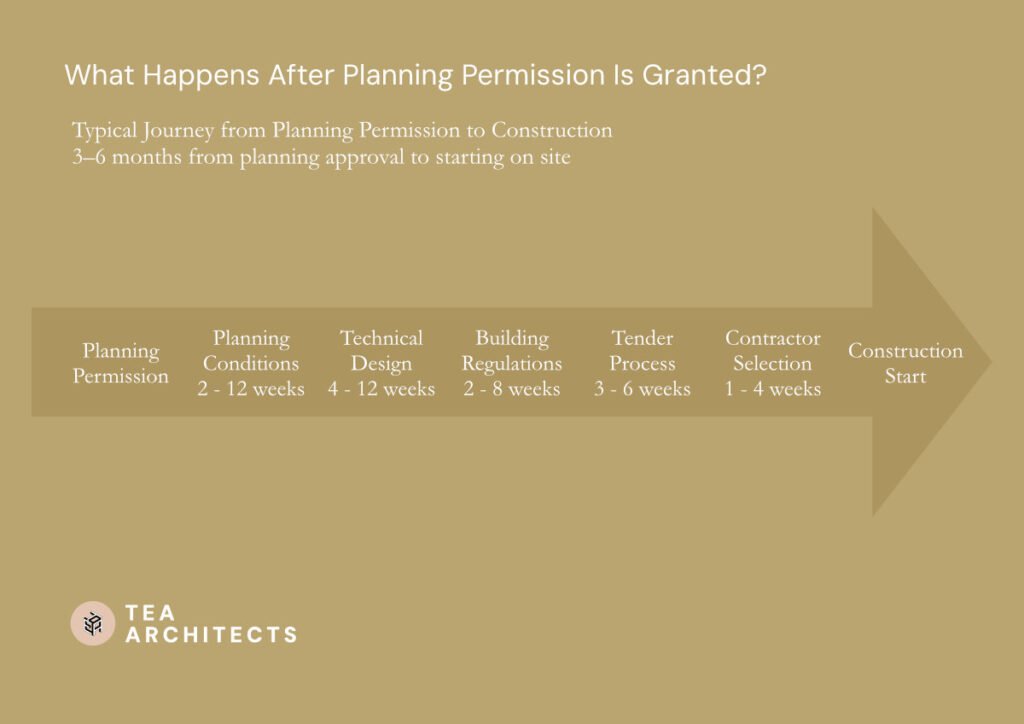
One of the biggest misconceptions is that construction can begin shortly after planning permission is granted. Understanding what happens after planning permission is granted can help homeowners, self-builders and developers plan realistic project timescales.
In reality, there is often a significant amount of work required before a contractor arrives on site.
| Stage | Typical Duration |
|---|---|
| Planning permission granted | Week 0 |
| Planning condition approvals | 2–12 weeks |
| Technical design | 4–12 weeks |
| Structural engineering coordination | 2–6 weeks |
| Building Regulations approval | 2–8 weeks |
| Tendering and contractor pricing | 3–6 weeks |
| Contractor mobilisation | 2–6 weeks |
For a typical house extension, construction may start approximately three to six months after planning permission is granted.
For larger developments, it is not unusual for this period to extend to six months or more.
Technical Design After Planning Permission Is Granted
For projects progressing towards construction, the next stage is usually technical design.
This is often referred to as RIBA Stage 4 and transforms a planning approval into information that can actually be built.
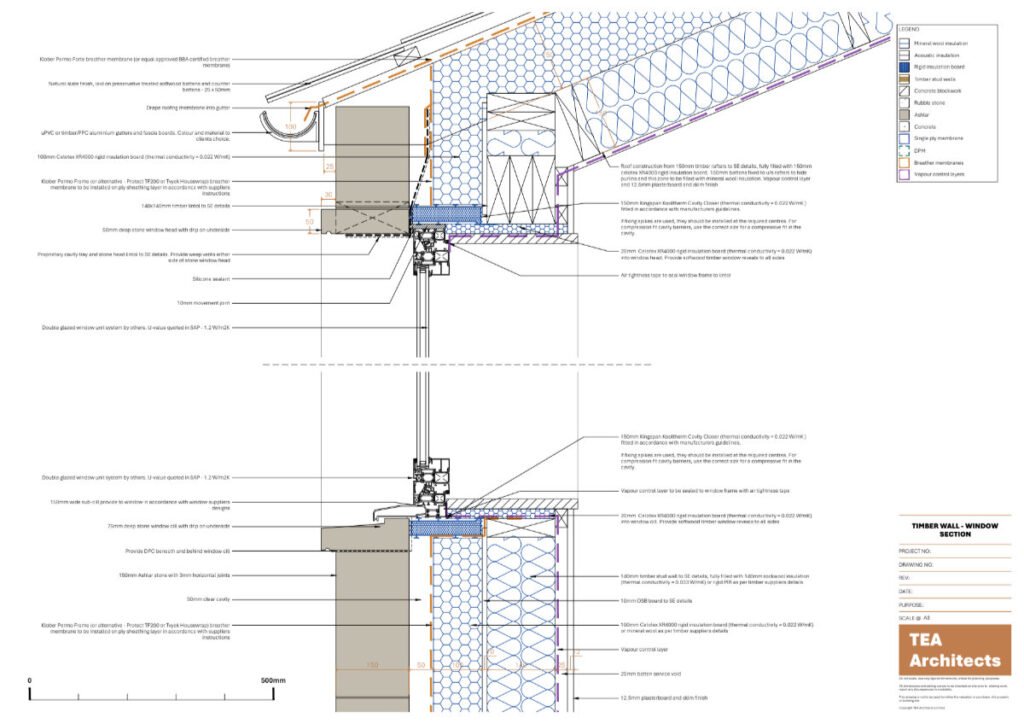
Planning drawings are designed to demonstrate the principle of development and secure planning permission. They rarely contain enough information for a contractor to accurately price or construct the project.
The technical design phase typically includes:
- Building Regulations drawings
- Construction details
- Structural design coordination
- Specifications
- Thermal performance requirements
- Consultant coordination
- Tender information
This is often where a project evolves from a planning concept into a fully buildable solution.
For many clients, technical design is one of the most important stages of what happens after planning permission is granted, as this is where the project becomes ready for construction.
Building Regulations Approval After Planning Permission
Planning permission and Building Regulations approval are entirely separate processes.
Whilst planning considers the impact of development on its surroundings, Building Regulations focus on safety, performance and compliance.
Areas commonly covered include:
- Structural stability
- Fire safety
- Thermal performance
- Ventilation
- Drainage
- Accessibility
- Electrical safety
We provide detailed Building Regulations drawings and technical design packages to help projects move smoothly from planning approval into construction.
Obtaining approval early helps avoid delays and provides confidence that the proposed design meets current standards.
Principal Designer Duties After Planning Permission
Recent changes to Building Regulations have introduced greater responsibilities for designers and clients.
Many projects now require a Principal Designer under the Building Regulations regime.
The Principal Designer is responsible for planning, managing and monitoring the design process to help ensure Building Regulations compliance throughout the project.
This role often sits alongside the Principal Designer duties required under the Construction (Design and Management) Regulations 2015.
Whilst the terminology can sometimes be confusing, both roles are intended to improve coordination, compliance and safety.
Bringing Together Your Design Team
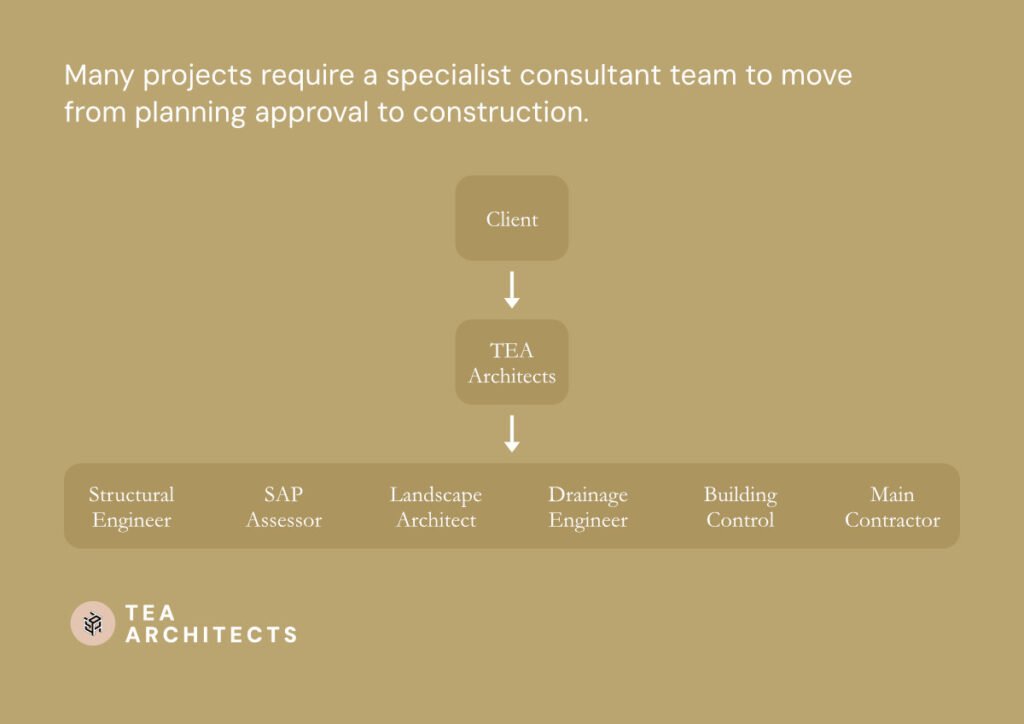
As projects move into technical design, additional consultants are often required.
Depending on the nature of the project, these may include:
- Structural engineers
- SAP assessors
- Drainage consultants
- Ecologists
- Arboricultural consultants
- Landscape architects
- Building Control surveyors
Bringing the right consultants into the design team early can help identify issues before they become costly problems during construction.
Planning Amendments and Reserved Matters Applications
It is not uncommon for changes to be required after planning permission has been granted.
Depending on the circumstances, this may involve:
- Non-material amendment applications
- Section 73 applications
- Approval of details required by planning conditions
- Reserved Matters applications following outline consent
Making these adjustments before construction starts is usually far easier than making changes once work is underway.
Demolition Notices and Asbestos Surveys
Where demolition forms part of a project, additional legal requirements may apply.
A Section 80 demolition notice may need to be submitted to the local authority before demolition begins.
Where existing buildings are involved, asbestos surveys are also commonly required, particularly for buildings constructed before the year 2000.
Even where not legally required, undertaking an asbestos survey before major works is generally considered good practice and can help avoid unexpected issues during construction.
Party Wall Matters Before Construction Starts
For extensions, loft conversions and projects in built-up areas, the Party Wall etc. Act 1996 may also apply.
This process is separate from both planning permission and Building Regulations approval.
If your project affects a shared wall, boundary structure or excavation close to a neighbouring property, Party Wall notices may need to be served and agreements put in place before construction begins.
Depending on neighbour responses, this process can take several weeks and should be factored into the programme.
Utility Connections Before Construction Starts
For new-build homes, self-build projects, commercial developments and some larger extensions, utility requirements should also be considered early.
This may include:
- New electricity connections
- Supply upgrades
- Water connections
- Sewer connections
- Broadband provision
- EV charging infrastructure
Utility providers can sometimes have lengthy lead-in periods, making early engagement worthwhile.
Tendering and Contractor Appointment
Before construction begins, most clients will want to obtain contractor pricing.
This may involve:
- Competitive tendering
- Negotiation with a preferred contractor
- Budget reviews
- Value engineering exercises
A well-coordinated technical design package generally leads to more accurate pricing and reduces the risk of unexpected costs during construction.
Pre-Start Meetings Before Construction Begins
Once approvals are in place and a contractor has been appointed, a pre-start meeting is often held.
This meeting provides an opportunity to review:
- Construction programme
- Site access arrangements
- Planning conditions
- Building Control inspections
- Health and safety responsibilities
- Communication procedures
It helps ensure everyone understands their responsibilities before work begins.
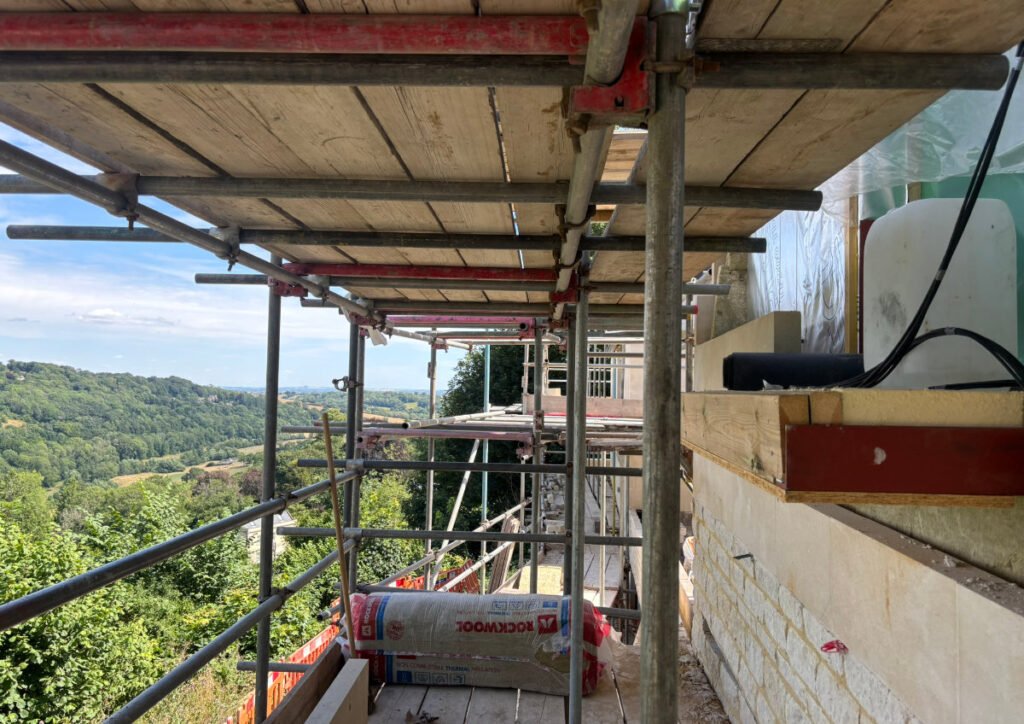
The Biggest Mistake After Planning Permission Is Granted
The most common mistake we see is assuming that planning permission means the project is ready to build.
In reality, many of the issues encountered during construction can be traced back to insufficient preparation before work starts.
Taking time to properly coordinate drawings, consultants, approvals and contractor pricing can significantly reduce risk, improve cost certainty and create a smoother construction process.
The period between planning approval and construction is often where some of the most important project decisions are made.
How TEA Architects Supports Clients After Planning Permission
At TEA Architects, we support homeowners, self-builders and developers across Bath, Somerset and Wiltshire through every stage of the architectural process.
Our involvement does not have to end once planning permission is secured.
Depending on the project, we can continue to support clients through:
- Planning condition discharge
- Technical design
- Building Regulations approval
- Principal Designer duties
- Consultant coordination
- Tendering and contractor selection
- Construction phase support
Our role is to bridge the gap between planning approval and successful construction, helping clients navigate what can often feel like a complex and unfamiliar process. If you’ve recently secured planning permission and would like support with the next stage of your project, please get in touch.
If you’re unsure what happens after planning permission is granted for your project, we can help guide you through each stage.
Final Thoughts
Planning permission is a significant milestone and often one worth celebrating.
However, it is rarely the final step before construction begins.
Whether it’s a £60,000 house extension, a self-build project or a £1 million commercial development, careful preparation between planning approval and breaking ground can make a substantial difference to the success of a project.
By understanding what happens after planning permission is granted and assembling the right team around you, the transition from approved drawings to completed building can be far smoother, more predictable and ultimately more successful.