What Is the RIBA Plan of Work and Why Does It Matter?
If you’re planning to build your own home, understanding the journey from the first sketch to the finished building is essential. In this blog post – RIBA Plan of Work Explained – we’re going to run through the RIBA Plan of Work (RPOW) and explain which parts of the design and construction process each stage relates to.
At TEA Architects, we use the RPOW to structure our fee proposals, but we also like to simplify and explain the stages clearly so clients always know what to expect. We also use the RPOW to guide how a project progresses – what needs to happen, when it needs to happen, and who is involved at each step. Here, we’ve related how TEA Architects works in practice against each RIBA stage.
RIBA Plan of Work Structure Explained
The RPOW is structured as follows:
- Stage 0 – Strategic Definition
- Stage 1 – Preparation & Brief
- Stage 2 – Concept Design
- Stage 3 – Spatial Coordination (Developed Design)
- Stage 4 – Technical Design
- Stage 5 – Construction
- Stage 6 – Handover
- Stage 7 – Use
The RIBA Plan of Work is designed to suit all project types and scales. On smaller domestic projects, some stages may be shorter or blend naturally into others, but the principles remain the same.
How We Work
In our Client Introduction Pack, we include a diagram showing how our services map against the RIBA stages. This is the basis for how we prepare our fee proposals and helps clients understand how the design and construction journey fits together. For clarity, we typically do not include Stage 0 in our formal fee proposals, as this is usually covered during our initial contact with clients when we first discuss their brief and assess project feasibility.

The RIBA also notes:
Projects typically span from Stage 1 to Stage 6. Stage 0 may determine whether a project should begin, and Stage 7 covers ongoing use after completion.
RIBA Stage 0 – Strategic Definition
What the RIBA says:
Stage 0 is about determining the best means of achieving the client’s requirements. It may involve a quick review or a more in-depth process depending on scale.
How TEA Architects works at Stage 0:
We treat Stage 0 as the initial contact and discovery phase. We offer free 15-minute consultations – usually via video call – to understand the broad strokes of the project. This helps us:
- Assess whether the project is feasible
- Gather initial information
- Understand your goals, timescales, and constraints
- Introduce ourselves and establish how we can help
- We use a simple table to capture essential information such as:
- Your name and contact details
- The property address
- A brief outline of the work
- Approximate budget
- Target completion date
- Whether you are speaking with other architects
- How you heard about TEA Architects
This early conversation establishes whether the project is a good fit and forms the foundation for your formal brief.
RIBA Stage 1 – Preparation & Brief
What the RIBA says:
Stage 1 develops the brief and ensures everything needed for design is in place.
How TEA Architects works at Stage 1:
We meet you on-site to explore the project in detail, discuss your aspirations, and understand how you want the spaces to function. At this stage, we also:
- Carry out site due-diligence
- Review planning history, policies, and heritage constraints
- Identify potential utility and site issues
- Complete a digital form of around 40 structured questions (covering factual, practical, and lifestyle considerations)
- All of this allows us to prepare:
- A detailed written brief
- A clear fee quotation and scope of works
- An outline of additional consultants or surveys you’ll need
- On larger development projects, we may begin feasibility sketches here. On domestic projects, design work normally begins at Stage 2.
RIBA Stage 2 – Concept Design
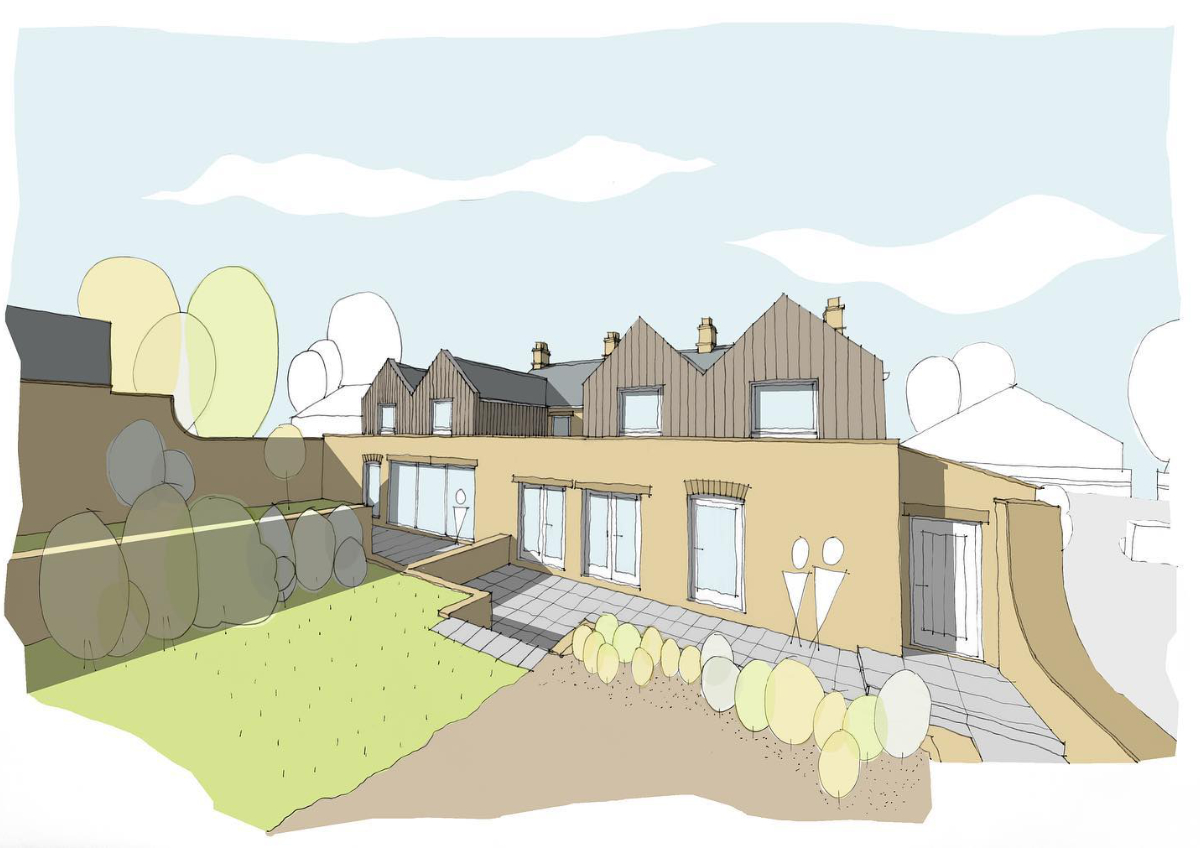
What the RIBA says:
Stage 2 focuses on getting the design concept right – establishing the look, feel, organisation, and strategy for the project without going into unnecessary detail.
Concept Design Stage – How We Work:
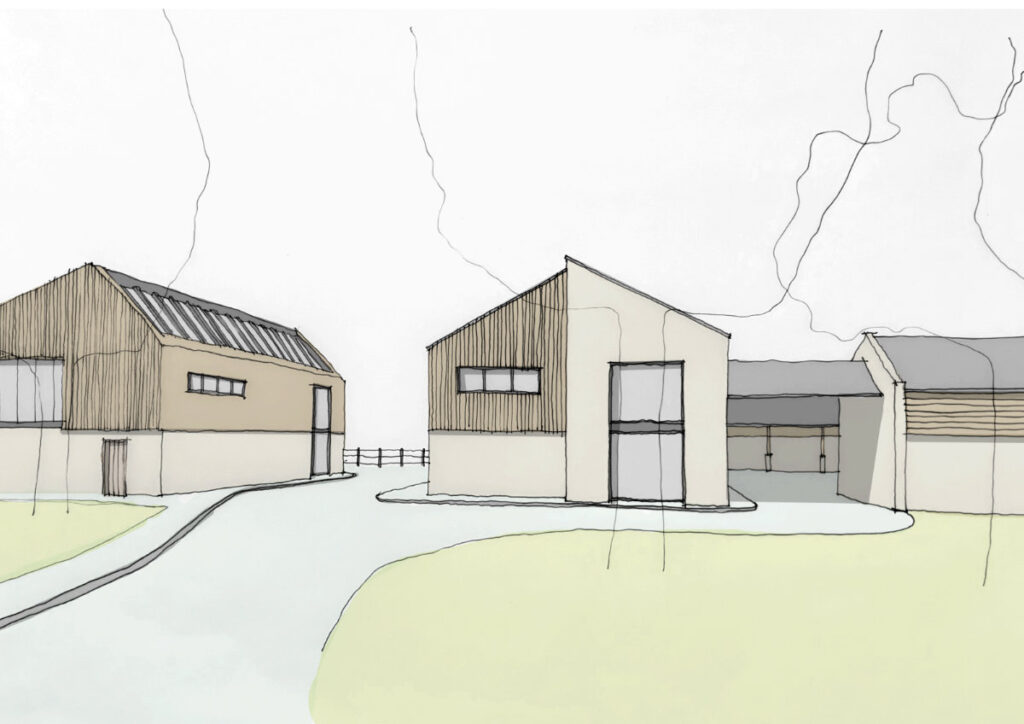
This is where the design process begins properly. Using the Stage 1 brief, we produce sketch designs and options for discussion. This stage is collaborative – clients often find that once they see ideas visualised in 2D or 3D, they’re able to refine or rethink aspects of the brief. We present concept options in person, encouraging clients to be honest about what they like and don’t like. Constructive feedback is essential – it ensures we move toward the best solution.
At the end of Stage 2, we aim to have a fixed design. At this point, we encourage clients to obtain cost advice from a contractor or quantity surveyor. Architects are not cost experts, but we help interpret and rationalise cost plans.
RIBA Stage 3 – Spatial Coordination (Developed Design)
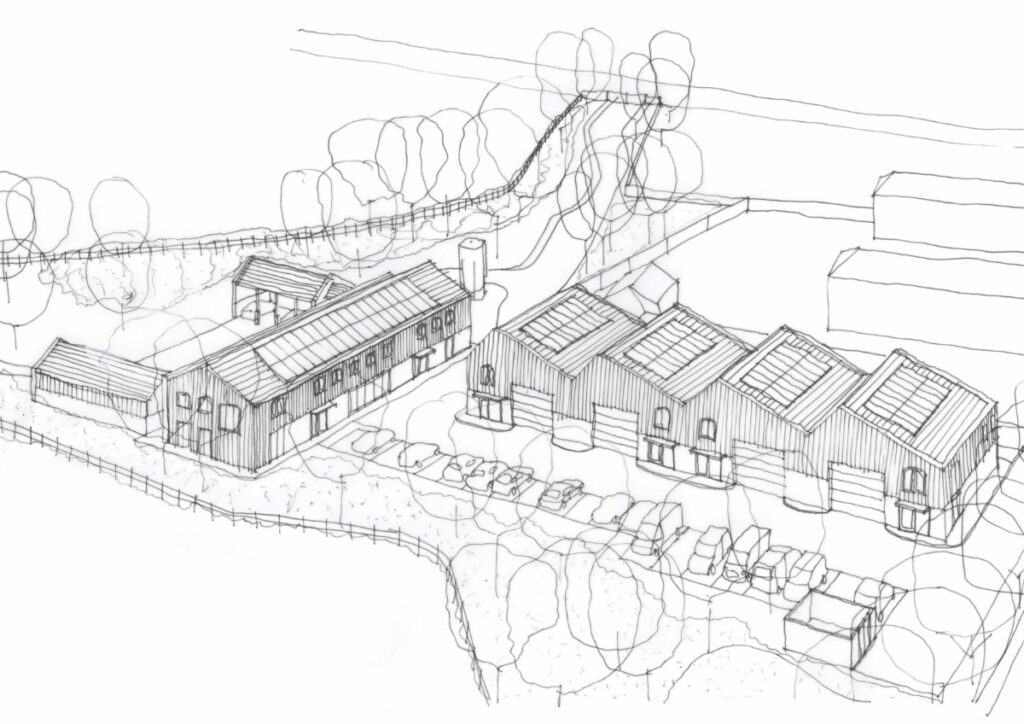
We prefer the term Developed Design, though the RIBA calls this Spatial Coordination to reinforce the need for early alignment between all design and engineering disciplines.
What the RIBA says:
The purpose of Stage 3 is to coordinate the design and prepare the information needed for a robust and accurate planning submission.
How TEA Architects works at Stage 3:
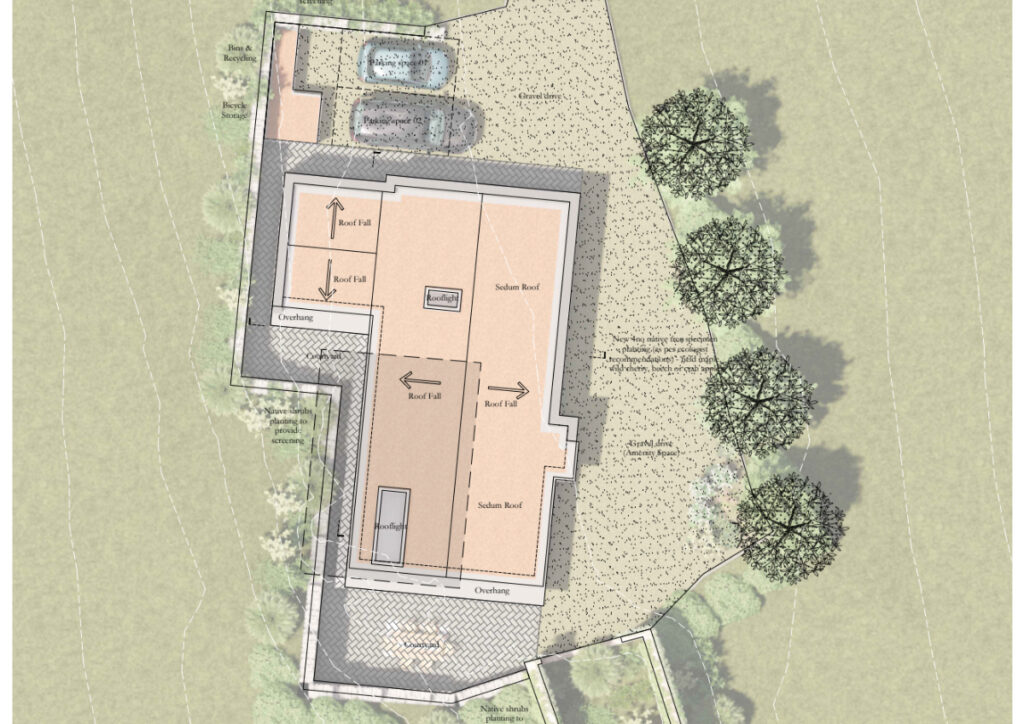
Here we develop your preferred concept into a detailed planning package. This includes:
- Fully drawn and annotated plans, sections, and elevations
- Material specifications and contextual information
- Additional drawings such as street scenes or site sections if required
- A comprehensive Design & Access Statement explaining the design rationale
Once prepared, we share the full planning package with you for review. After your approval, we submit the application and act as your planning agent, managing communication with the local authority and advising on any required revisions.
RIBA Stage 4 – Technical Design
What the RIBA says:
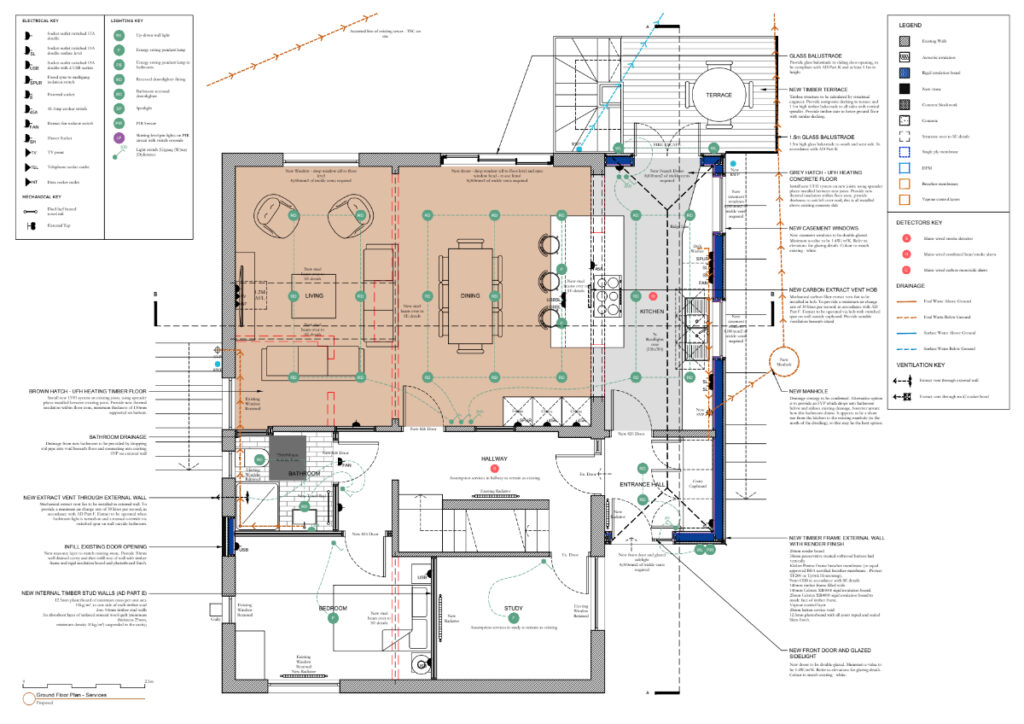
Stage 4 is about producing the technical information required to construct the building – coordinated, detailed, and priced accurately.
How TEA Architects works at Technical Design:
We prepare a complete technical design package, which may include:
- Construction drawings and details
- Junctions, build-ups, and insulation specifications
- Structural coordination
- Drainage layouts
- Building regulations compliance
- Schedules of doors, windows, finishes, and fixtures
A well-developed Stage 4 package reduces risk, minimises site queries, and supports accurate contractor pricing. Depending on procurement, it may form part of a tender package or be issued to a preferred contractor.
Tendering and Contractor Selection (Between Stage 4 and Stage 5)
Once the technical design package is complete, many clients choose to tender the project. We can manage this process for you to ensure you receive fair, comparable, and accurate prices from suitable contractors.
How TEA Architects supports the tender process:
- Preparing a clear tender package for issue to contractors
- Advising on which contractors to invite to tender
- Issuing tender documents and handling contractor queries
- Reviewing tender returns for accuracy, completeness, and compliance with the design
- Preparing a tender analysis report for you
- Advising on strengths, risks, and value within each bid
- Recommending the most suitable form of building contract (commonly JCT options)
- This stage ensures you have confidence in the contractor you select and the cost they provide.
RIBA Stage 5 – Construction
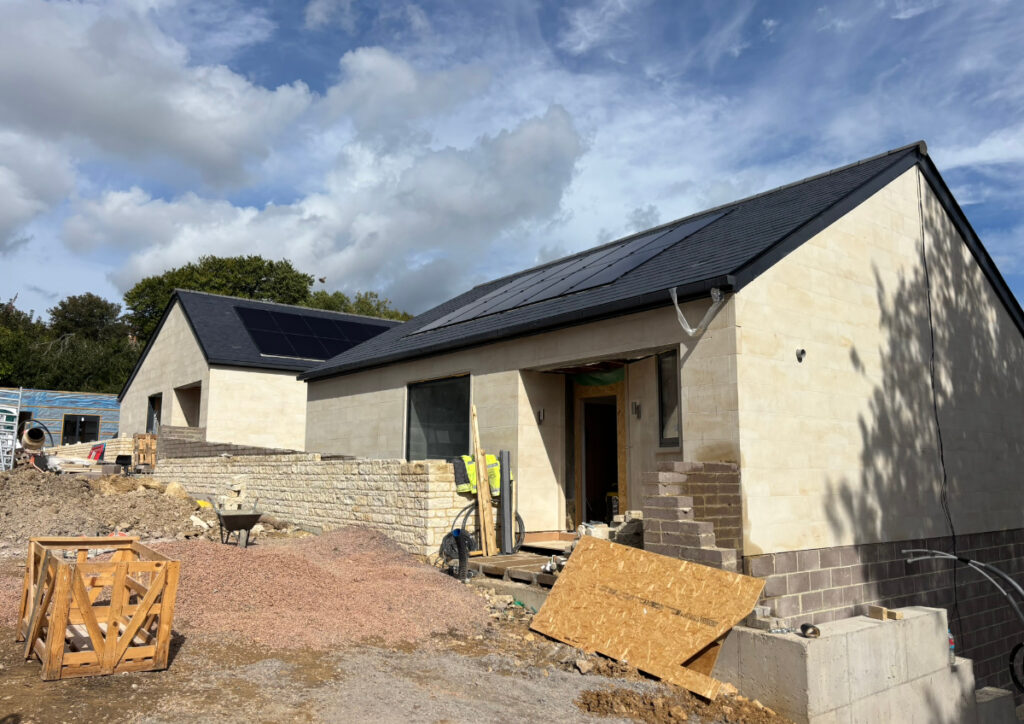
Our involvement varies depending on the type of service you choose. We offer three approaches:
Full Contract Administration
We:
- Visit site regularly
- Check progress and quality
- Respond to contractor queries
- Issue Architect’s Instructions
- Assess and certify payments
- Monitor the programme
This provides the highest level of oversight and quality assurance.
Client-Side Advisor (Periodic Inspections Only)
You contract directly with the builder, and we provide:
- Site visits at agreed intervals
- Reports on progress and any concerns
- Advice on variations
- Technical clarification when needed
This reduces formality but keeps professional oversight in place. We offer this service on an hourly rate, with a monthly cap to give you cost certainty.
Ad-Hoc Architectural Support (Smaller Projects)
Perfect for simpler domestic builds. We can:
- Attend site on request
- Provide advice by email, phone, or video call
- Review key changes or contractor proposals
This flexible service is offered on a straight hourly rate, making it cost-effective and easy to manage.
RIBA Stage 6 – Handover

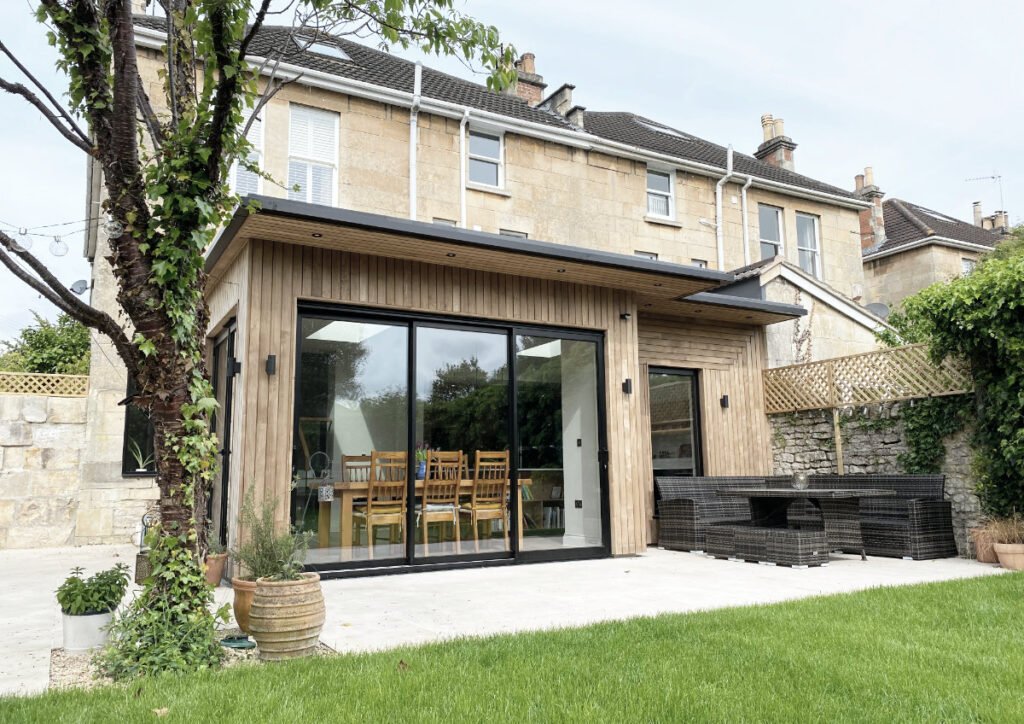
Photo credit: Pete Helme Photography
What the RIBA says:
Stage 6 covers practical completion, snagging, and closing out the building contract.
How TEA Architects works at Handover:
When we are involved throughout the whole project under our full services package, Stage 6 is included as part of our standard role. In these cases, we:
- Inspect completed works
- Prepare a snagging list
- Oversee the contractor’s rectification of defects
- Ensure final certificates, manuals, and warranties are provided
For projects where our site involvement has been more limited, we still follow up once the build is complete. We arrange a visit to:
- Discuss the project with you
- Ask for feedback
- Take photographs for our records
This ensures every project concludes with care, even if we have provided a reduced construction-stage service.
RIBA Stage 7 – Use
Even after completion, we remain available to assist with:
- Post-occupancy queries
- Maintenance advice
- Future alterations or extensions
- Evaluating building performance in use
A building evolves, and we’re always happy to support clients long after handover.
Explained: Why the RIBA Plan of Work Can Help You
The RIBA Plan of Work gives structure and clarity to the entire process. You always know:
- What we’re doing
- What you need to decide
- Which consultants are involved
- When key milestones occur
- How your project is progressing
It makes a potentially complex journey predictable, organised, and far less stressful.
Thinking About a Project in the South West?
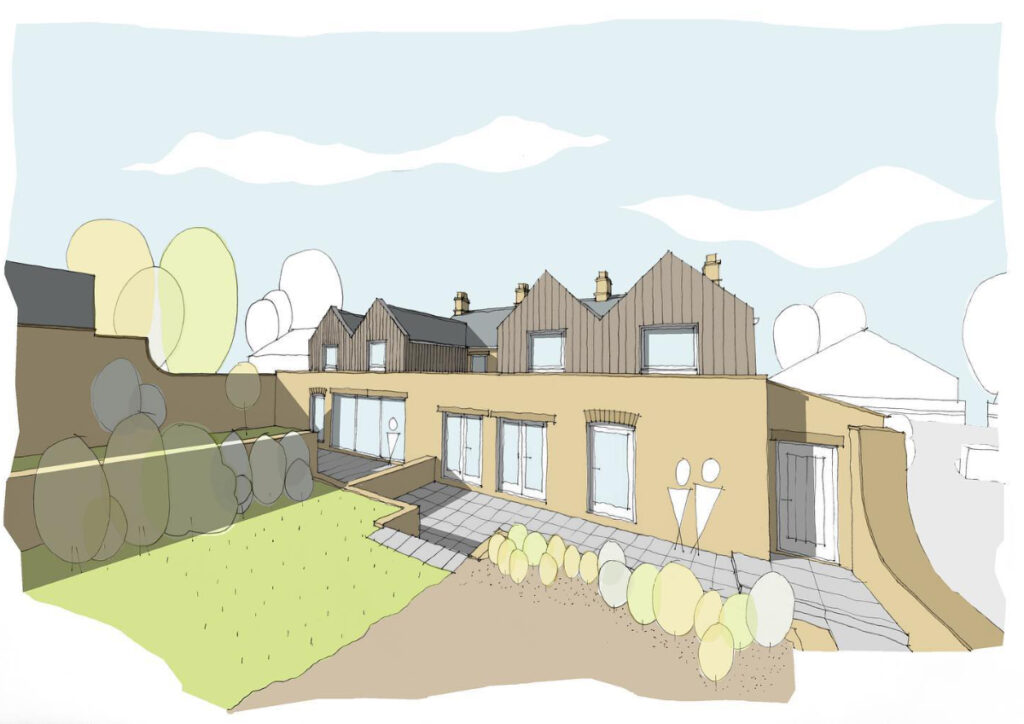
If you’re considering a self-build, extension, renovation, or development project and want to understand how the RIBA stages apply to your plans, we’d be delighted to talk. At TEA Architects, we guide clients from first contact to handover – with clarity, care, and a process you can trust.
Get in touch and let’s start the conversation.