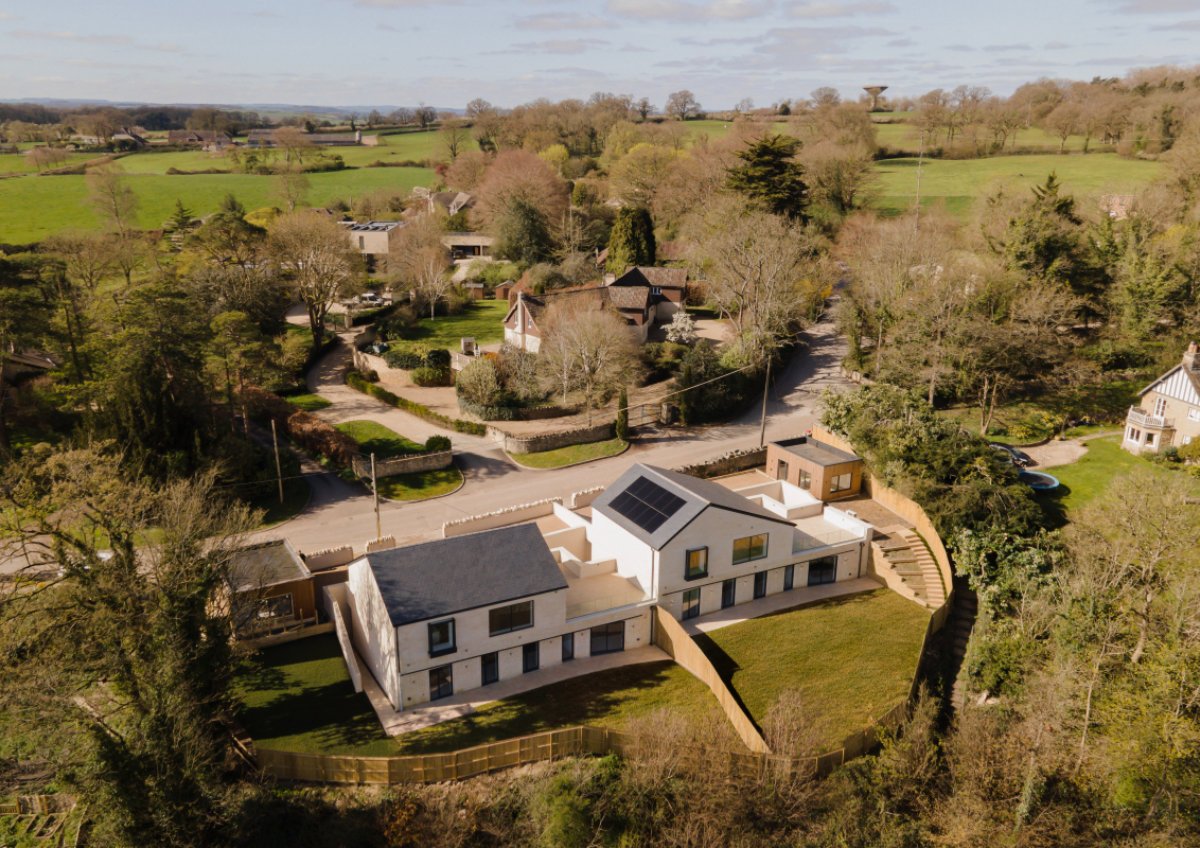
Timescales Depend on a Variety of Factors
If you are considering building a new home, one of the first questions is usually: how long does it take to build a house? It is a fair question, as creating your own home is a significant investment of time, money and effort.
The fact of the matter is that the timescale required will largely depend on a number of factors including the size of your project, method of construction, budget and the smoothness of the entire planning process. On average, you should be prepared for around 2 to 4 years from choosing your plot to being able to move in. This is only a rough estimate however; some people will have their projects finished earlier while others will face more delays.
In this guide, we will provide an overview of the stages involved in the process of building your dream home, outline what you should expect at each of these stages and which factors are going to influence it the most. With over 20 years worth of experience designing self-build and new-build houses, we can provide an insight into how to approach the process effectively.
How Long Does It Take to Build a House? A Typical Timeline
Before we go into the details of the process, let us first have a general look at how a timeline of a typical self-build project might look like. So, how long does it take to build a house in the UK? A typical self-build project…
- Purchase a plot: 6 to 18 months
- Concept design and feasibility study: 2 to 4 months
- Planning process: 4 to 9 months
- Technical design and tender: 3 to 6 months
- Construction phase: 12 to 24 months
- Final snagging and completion: 1 to 3 months
Altogether, this typically results in a total timeline of around two to four years. That said, some stages can overlap.
For instance, you might begin technical design work while waiting for a planning decision, which can help shorten the overall duration. Budget can also influence timing – if funding needs to be adjusted or specifications revised, delays can quickly add up.
For many people, securing the right plot is the most time-consuming and unpredictable part of the journey. Suitable plots are not always readily available, particularly in high-demand areas like Bath where land is scarce and competition is strong.
There are a number of factors that can influence programme, particularly on more complex or constrained sites. Organisations such as National Custom and Self Build Association also provide useful independent guidance for those considering a self-build project.
Finding and Purchasing a Plot: 6 to 18 Months
Plots are usually found through estate agents, specialist platforms such as Plotfinder or the Self Build Portal, local authority registers, or sometimes through direct approaches to landowners. Some opportunities are discovered before they even reach the open market, particularly infill or backland sites.
Once a plot is identified, due diligence becomes essential. This includes reviewing planning history, identifying site constraints, checking legal title with a solicitor, and often working with an architect to test whether your ideas are feasible on the site. Taking the time to do this properly can prevent costly mistakes later.
The legal process of purchasing land generally takes around two to three months from agreeing a price to completion, although complications can extend this timeframe.
Feasibility and Concept Design: 2 to 4 Months
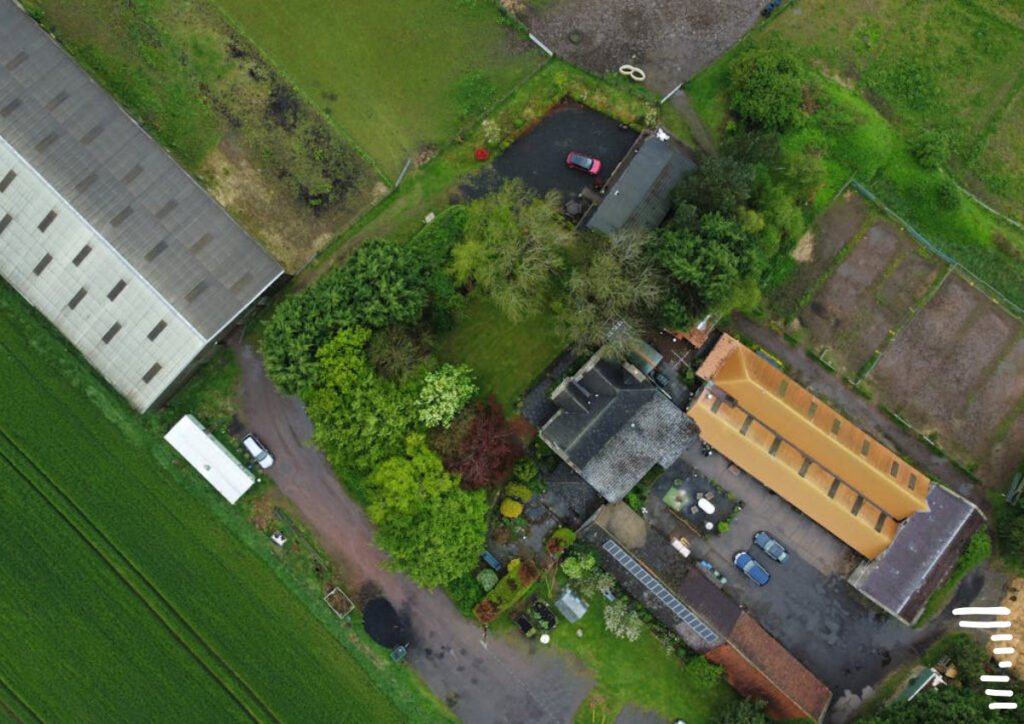
After securing a plot and appointing an architect, the next stage focuses on feasibility and concept design. This aligns broadly with RIBA Stages 1 and 2. It involves refining your brief, analysing the site in detail, and exploring design options before settling on a preferred direction.
At the feasibility stage, the aim is to understand what is realistically achievable given the site constraints, planning context and your budget. This may include initial massing studies, policy reviews and early cost assessments. Establishing a clear budget early on is critical – identifying any mismatch between ambition and affordability at this point avoids issues later in the process.
The concept design phase develops the chosen option further, shaping the layout, form and overall character of the home. Typically, this stage takes between two and four months, depending on the complexity of the project and how much iteration is required. Simpler sites with a clear brief tend to move faster than more constrained or technically demanding ones.
Taking the time to get the design right at this stage is crucial. Early decisions have a lasting impact on both the quality of the finished home and the likelihood of securing planning permission – especially in sensitive areas like Bath.
Planning Preparation, Submission and Determination: 4 to 9 Months
A key part of understanding how long it takes to build a house is factoring in the planning process.
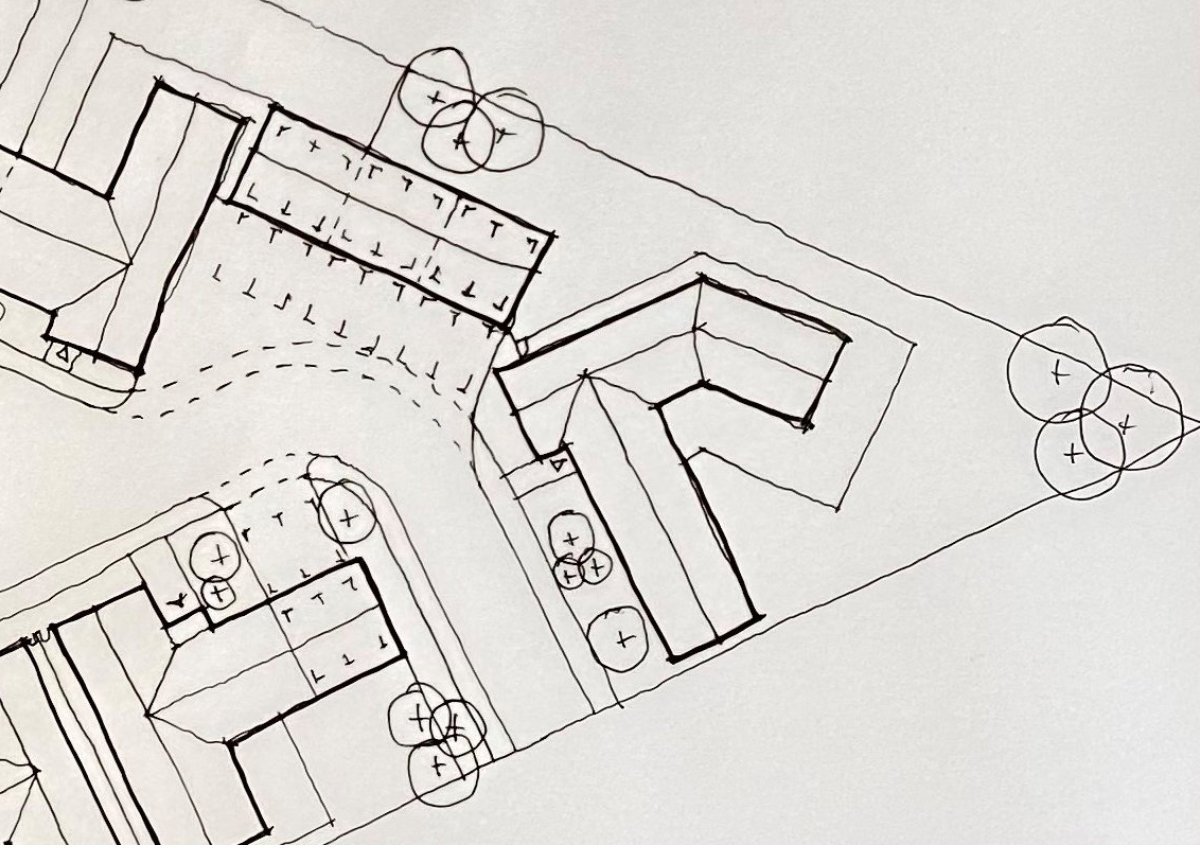
Once a concept design has been agreed, the next step is preparing and submitting a planning application. This is a key stage in the process and deserves careful attention, particularly for new homes in areas like Bath.
Preparing the application itself can take between two and four months, depending on how complex the site is and what supporting information is required. In many cases, this includes documents such as design and access statements, heritage assessments, ecological surveys, drainage strategies and arboricultural reports. Gathering and coordinating all of this information takes time.
Engaging with the local authority before submitting – through a pre-application discussion – can be very helpful. It allows you to identify potential concerns early and improve the likelihood of a smoother approval process. While it adds a bit of time upfront, it often saves more time later on.
Once submitted, the council typically has a statutory period of eight weeks to determine smaller applications and thirteen weeks for larger or more complex proposals (as set out by the Planning Portal). However, decisions can take longer, particularly if specialist input is required or if policy issues arise.
If an application is refused, a resubmission or appeal will extend the timeline further. Working with an architect or planning consultant who understands local policies can significantly improve your chances of a positive outcome.
Technical Design and Procurement: 3 to 6 Months
After planning permission is granted, the project moves into the technical design phase. This involves developing detailed drawings and specifications, coordinating with engineers and consultants, and preparing the information needed for construction. Building regulations approval is also secured during this stage.
If you are going out to tender, contractors are invited to price the project based on this detailed information. This process usually takes four to six weeks, followed by time to review submissions, negotiate and finalise contracts before work begins on site.
For those using a design-and-build contractor or a package supplier, this stage can be slightly quicker, but it is still important to ensure the technical details are properly reviewed before committing.
This is one of the most important stages in the programme. Projects that are well resolved at this point tend to move smoothly on site, whereas gaps in information often lead to delays, cost increases and on-site decision making.
How Long Does It Take to Build a House on Site?
When people ask how long it takes to build a house, they are often referring to the construction phase…
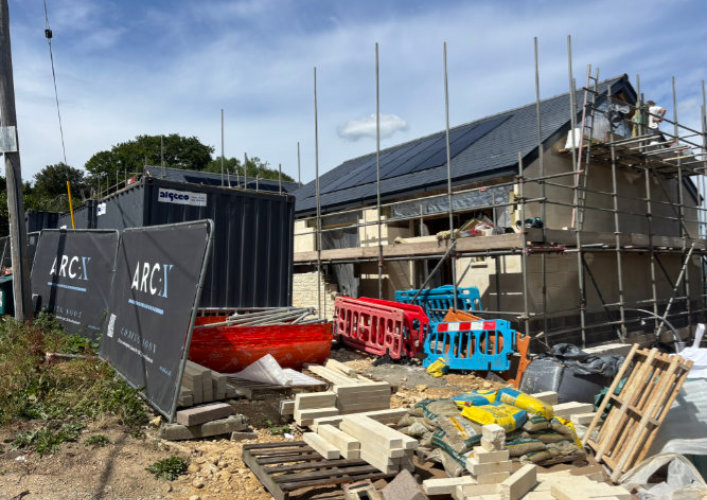
For most self-build homes, the construction phase typically takes between twelve and twenty-four months. Simpler homes – such as modest two or three-bedroom properties using straightforward construction methods – can often be completed at the shorter end of that range. Larger or more complex homes, particularly those with bespoke detailing or challenging site conditions, will naturally take longer.
Construction Method and Programme
The method you choose to build your home has a major influence on how long construction will take. Off-site systems such as timber frame or structural insulated panels (SIPs) are generally quicker than traditional masonry, as much of the structure is manufactured in advance and assembled rapidly on site. In some cases, a build that might take eighteen months using traditional methods could be completed in closer to twelve to fourteen months with an off-site system.
That said, speed is only one factor to consider. Cost, appearance, energy performance and the preferences of your design team and contractor are all equally important. An experienced architect can help you weigh up these options and choose what works best for your project.
Key Stages of Construction
While every project is different, most builds follow a similar sequence:
- Site preparation and enabling works, including demolition and ground investigations
- Foundations, which usually take four to eight weeks depending on conditions
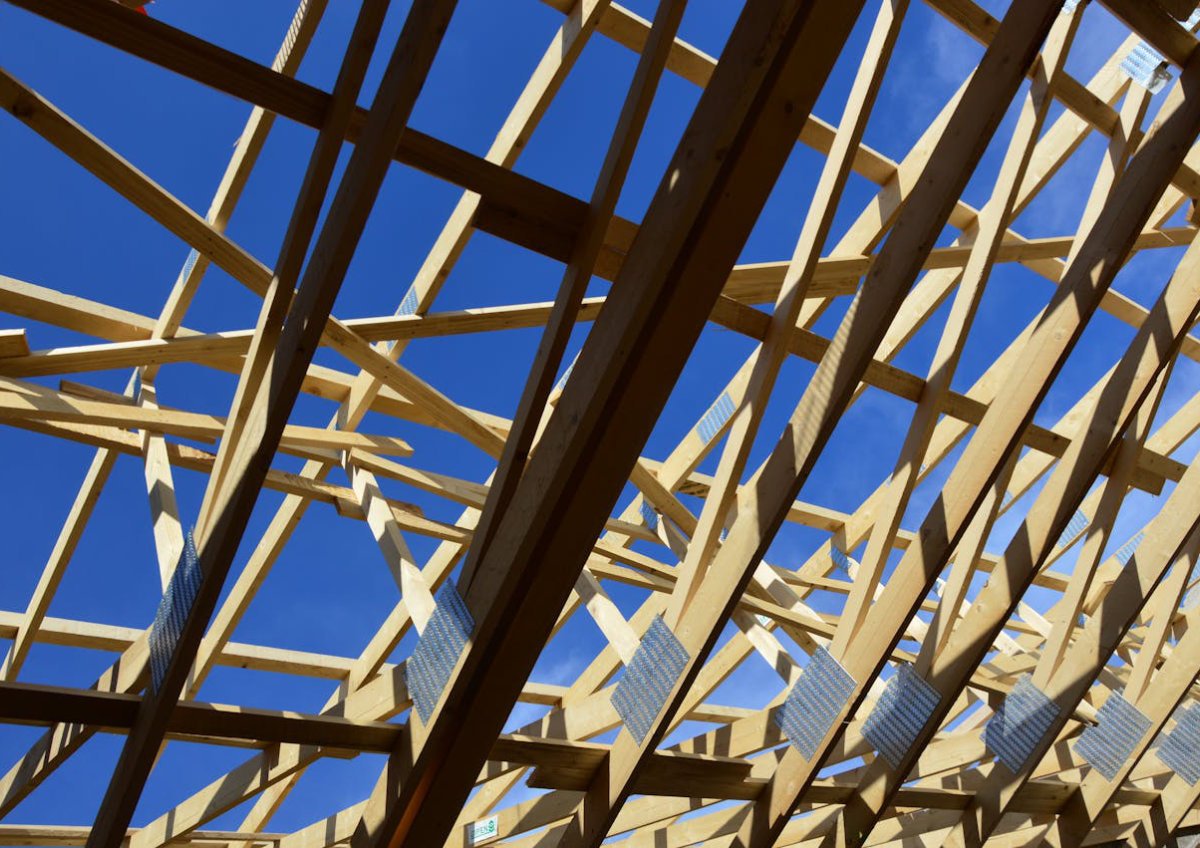
- Construction of the main structure, including walls and roof
- First fix works such as initial plumbing, electrics and structural joinery
- External envelope, including windows, doors, roofing and cladding
- Second fix works, including finishes, fittings and final connections
- External works and landscaping
Delays can occur at various points due to weather, material shortages or contractor availability. Winter conditions, in particular, can slow progress on site, and supply chain issues may affect delivery times for certain materials.
What Affects How Long It Takes to Build a House?
Understanding where delays commonly occur can help you plan more realistically from the outset. Several factors regularly impact self-build timelines.
Budget and Cost Planning
Budget is one of the biggest influences on timing, and it is often underestimated. If costs are not clearly defined early on, you may encounter issues such as tenders exceeding your budget, the need to revise specifications, or pauses while additional funding is arranged.
These interruptions can add significant time to a project. Working with a quantity surveyor alongside your architect helps ensure that design decisions are made with a clear understanding of cost. It is much easier to make adjustments during design than during construction.
Including a contingency – typically around 10 to 15 percent of the build cost – is also essential. This provides a buffer for unexpected issues such as ground conditions or design changes.
Planning Complexity
In areas like Bath, where much of the city is within a Conservation Area and part of a UNESCO World Heritage Site, planning applications are subject to greater scrutiny. Proposals may require input from heritage, ecology or highways specialists, which can extend decision times.
A well-considered design and early engagement with the local authority can significantly reduce these risks.
Unexpected Ground Conditions
Issues such as contamination, unstable ground, high water tables or archaeological findings can slow down early construction stages and increase costs. Carrying out proper ground investigations before starting on site is a worthwhile investment.
Changes During Construction
Design changes made during construction are a common cause of delays and cost overruns. The more detailed and resolved your design is before work begins, the less likely you are to face disruptions later.
Contractor Availability
High-quality contractors are often booked well in advance. While waiting for the right contractor may extend your start date, it is usually preferable to rushing into an agreement with someone who is not the right fit for your project.
How to Keep Your Project on Track
There are several practical steps you can take to help your project run smoothly and stay on schedule:
- Appoint your architect early to assess site viability and guide design decisions
- Establish a realistic budget and review it regularly as the design develops
- Engage with the planning authority early through pre-application discussions
- Allow enough time for detailed design before starting on site
- Build in contingency for both time and cost
- Choose your contractor carefully, taking time to review their work and speak to past clients
Self-Build Timelines in Bath: What to Expect Locally
In areas like Bath, how long it takes to build a house can be influenced by planning constraints…
Bath presents some unique challenges for self-builders. Land is limited, which can make finding a suitable plot more time-consuming. Available sites are often infill or backland plots that require thoughtful design solutions.
The planning environment is also particularly design-focused. High-quality, context-sensitive architecture is essential for securing approval, especially in historic areas. Working with a local architect who understands the planning landscape can make a significant difference.
Construction costs in Bath also tend to be higher than in many other areas, reflecting both demand for skilled labour and the complexity of building in constrained urban settings. Factoring this into your budget early helps avoid delays later.
Frequently Asked Questions
How long does it take to build a house?
For most self-build homes in the UK, construction typically takes between twelve and twenty-four months, depending on the size and complexity of the project.
What is the fastest way to build a new home?
Off-site construction methods such as timber frame, CLT or modular systems generally offer the quickest build times. However, the overall timeline still depends heavily on planning and design stages.
How long does planning permission take in Bath?
The council usually takes eight weeks for smaller applications and up to thirteen weeks for larger ones, although more complex proposals can take longer.
Can budget affect how long it takes to build a new home?
Yes, significantly. Poor cost planning can lead to delays if designs need to be revised or additional funding is required mid-project.
Do I need an architect to build a new home?
While not mandatory, working with an architect is highly beneficial. They help navigate planning, manage technical complexity and ensure the final design meets your needs – especially in sensitive locations like Bath.
Planning Your Self-Build: Where to Start
Understanding how long does it take to build a house allows you to plan more effectively…
Building your own home can be incredibly rewarding, but it is also a complex process. Having a clear understanding of the timeline, setting a realistic budget and assembling the right professional team are key to success.
At TEA Architects, we support self-build clients across Bath and the South West at every stage – from early feasibility and planning through to technical design and construction. Whether you already have a plot or are just starting to explore your options, we are always happy to talk.
You may also find our related guides useful, including our overview of the RIBA Plan of Work and our guide to self-build homes in Bath.
Written by Ewan Tavendale, Architect at TEA Architects
TEA Architects is a Bath-based practice specialising in self-build homes, residential architecture and sustainable design across Bath and the South West.